


Drinking water quality in Italy on the campsite
Content
When camping in Tuscany, you spend most of your time outdoors – and need plenty of water. Is the water at the campsite safe to drink? What do the signs at the fountains mean? And how do you keep your water tank clean in the summer heat? You'll find the answers here.
Short answer: Can I drink tap water in Italy?
- Yes. Tap water in Italy is subject to EU drinking water regulations and is generally safe to drink – even at campsites.
- It often tastes slightly of Chlorine and is very common in many areas calcareous.
- Pay attention to the signs: Drinking water = Drinking water, Non-potable water = not drinking water.
- The bigger risk is usually your own water tank: Pay close attention to hygiene in hot weather.
Drinking water quality in Italy: What comes out of the tap?
Generally speaking, the tap water throughout Tuscany, including at official campsites and RV parks, is of very good quality. It is subject to strict legal controls that meet European standards. Therefore, you can usually use it without hesitation for brushing your teeth, cooking, or making coffee.
However, there are some special features you should be aware of as a camper in Tuscany:
1. The chlorine taste
To protect the water from germs during its long journey through the pipes, a small amount of chlorine is often added to Italian tap water. This is completely non-toxic, but to us, it often smells and tastes somewhat unusual, like a swimming pool, at first. If the taste bothers you when drinking it straight, simple activated carbon filters for campers or buying inexpensive water containers at the supermarket will help.
2. Very hard water
The water in the Tuscan hills is extremely rich in minerals and therefore often very "hard," meaning it contains a lot of calcium. While this is actually healthy for the human body (keyword: calcium!), it means rapid wear and tear for household appliances in a campervan (such as the coffee machine or water heater). Regular descaling after your holiday is therefore essential.
3. Legal situation: Who controls the tap water?
In Italy, the quality of drinking water is regulated by Decree Law No. 18/2023. It implements EU Drinking Water Directive 2020/2184 – meaning the same limit values apply as in Germany. Monitoring is carried out by two bodies: the water suppliers themselves and the local health authorities (ASL). Many suppliers publish the analysis results for each municipality online.
If problems arise, such as after burst pipes or heavy rainfall, the mayor issues an ordinance ( ordinanza ) temporarily prohibiting the drinking of tap water. Such notices are posted in the town hall and are usually announced at campsite receptions. The fact that many Italians still buy bottled mineral water is primarily a matter of habit and personal taste – not an indication of poor tap water quality.
4. Special case islands: Drinking water on Elba
On Elba, the tap water is also drinkable. About half comes from springs and wells on the island, the other half via an underwater pipeline from the mainland near Piombino . In the height of summer, when hundreds of thousands of tourists join the approximately 30.000 residents, the supply is limited – conserving water is especially important here. The same applies to the smaller islands of the archipelago: use water sparingly and fill your tank before crossing, if possible.
Fontanelle and Camper Service: Where to refill your water tank on the go
If you're traveling self-sufficiently or staying at a farm- based agricampeggio , you'll need to refill your fresh water regularly. Tuscany makes this wonderfully easy.
Public fountains (fontanelle)
In almost every Tuscan village, you'll find public fountains, known as fontanelles , in the central piazza or along historic city walls . These fountains are deeply rooted in Italian everyday culture. Locals fill their water bottles here. If you stroll through the picturesque streets of the historic crystal town of Colle di Val d'Elsa , you'll constantly encounter these wonderful dispensers – the perfect opportunity for an ice-cold, free refreshment!
Water station: Water station with filtered water
In many Tuscan towns and villages, modern water dispensers, known as Case dell'acqua or Fontanelli ("water kiosks"), are also available. They provide filtered, chilled tap water, often with a choice of still or sparkling. Depending on the municipality, the water is either free or costs a small fee. In Florence, the water supplier Publiacqua even operates such Fontanelli in the Piazza della Signoria. They are ideal for campers to fill water bottles and canisters with fresh water – however, they are not intended for filling the vehicle's fuel tank.
Important signs at Italian water sources
To avoid mistakes when filling your water tank, you should be able to distinguish the following signs and terms without error:
| Italian term | German meaning | Suitable for campers |
| Drinking water | Drinking water | Perfect for refilling the fresh water tank and suitable for drinking. |
| Non-potable water | No drinking water | Often found at purely utility water stations, ornamental fountains, or waste disposal facilities. Never Fill the tank! |
| Standpipe | Public small fountain | Usually always drinking water (unless otherwise indicated). |
| Carico Acqua | mains water supply | The official fuel pump is located at campsites or at camper service centers. |
Camper service at campsites and rest stops
Many motorhome pitches and campsites have a service station (“Camper Service” or “Area di sosta camper”) with fresh water. Some motorway service areas also offer camper services. Some stations are free, others charge a small fee, or operate with coins or tokens. You can find an overview of these on the motorhome pitches in Tuscany page.
Hygiene in the water tank: Protection against germs in summer heat
Summer in Tuscany is a dream, but it presents a logistical challenge for your camper's water system. With temperatures well over 30 degrees Celsius, which can be even higher inside the service hatches, bacteria and algae multiply rapidly in stagnant water. The dreaded term here is: Legionella.
These four golden rules for tank hygiene will keep your water absolutely safe on vacation:
- Keep the tank moving: Never leave water in the tank for weeks. If you're staying in one place for an extended period, use the water sparingly and refill it frequently with fresh, cool water.
- Use your own hoses and adapters: Never use the hose lying around at the water and waste disposal stations, especially if the previous camper has already plugged it directly into their toilet cassette! Always use your own equipment. A compact water thief and a set of common Gardena adapters belong in every camper's toolbox.
- Use a water filter: A mobile inline filter (e.g. from Alb Filter), which you simply insert between the tap and your filling hose, reliably retains germs, chlorine and sediment during refueling.
- Use preservatives: For longer periods of exposure to heat, silver ion nets or certified chlorine dioxide additives from camping supply stores are recommended, which keep the water in the tank fresh for weeks.
Properly disinfecting the water tank
You should disinfect the tank and pipes at the latest at the start of the season, after longer periods of inactivity, or if the water smells musty:
- Completely empty the tank, boiler and all pipes.
- Fill with fresh drinking water and a disinfectant from a camping supply store – dose exactly according to the manufacturer's instructions.
- Open all taps (hot and cold) and the shower briefly until the disinfectant water reaches everywhere, then wait for the specified contact time.
- Drain everything and rinse at least twice with clean drinking water.
For drinks and cooking, many campers also use bottled water or freshly drawn water from the fountain – then the tank only has to be used for washing up and showering.
Save water while camping: Conserve Tuscan resources
Tuscany regularly suffers from severe drought during the hot summer months of July and August. Water is a precious commodity here. As a responsible camper, you should therefore treat the resources of your host country with respect.
Use the sinks and showers at the campsites and avoid letting liters of water run unused at your pitch. If you return from one of the excellent campsites right on the sea after a long day at the beach , use the beach showers there to wash off the sand and salt instead of emptying your own campervan's water tank. This not only saves you time off-grid but also reduces the burden on local communities.
Our water tank at the campsite
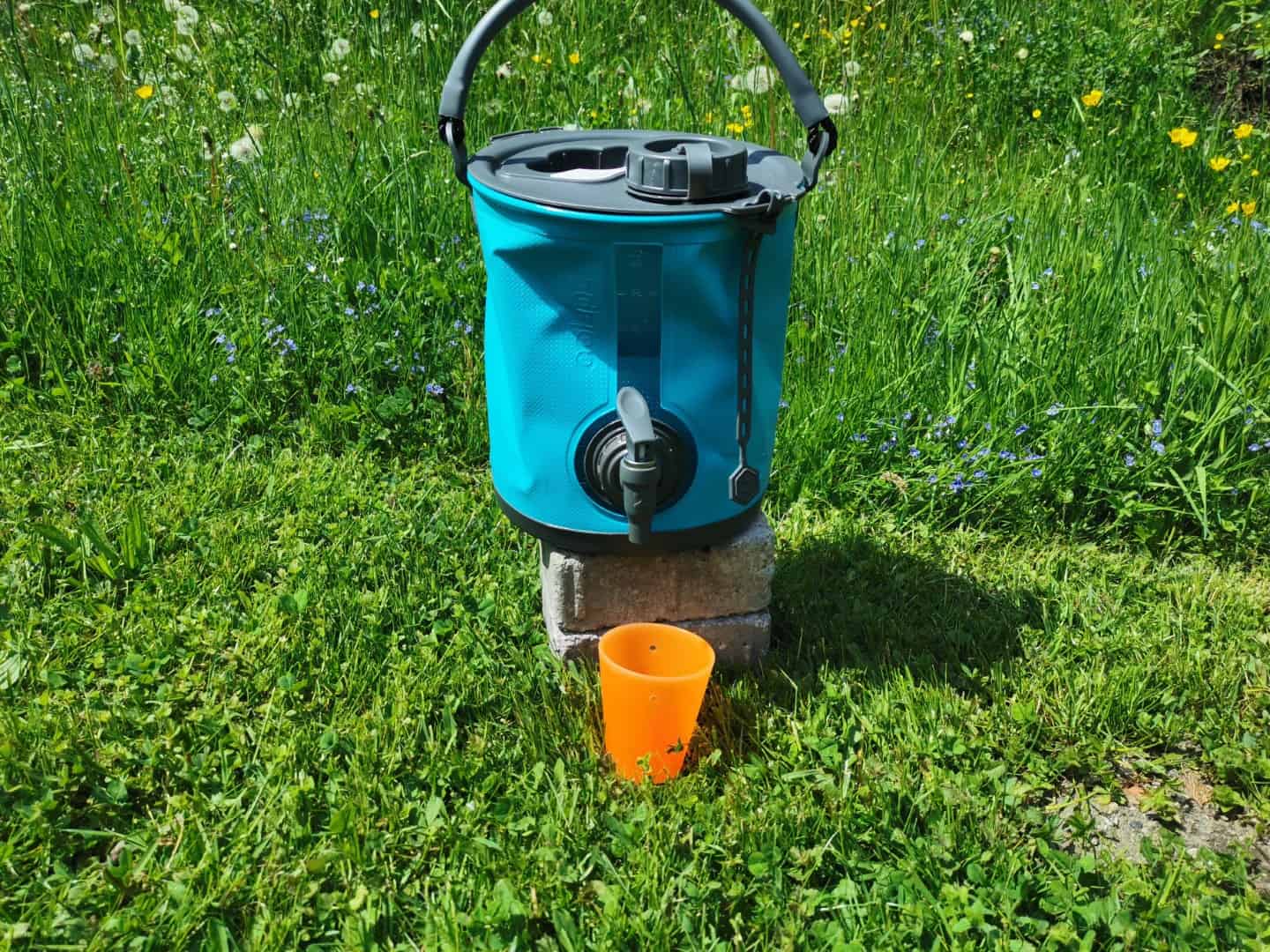
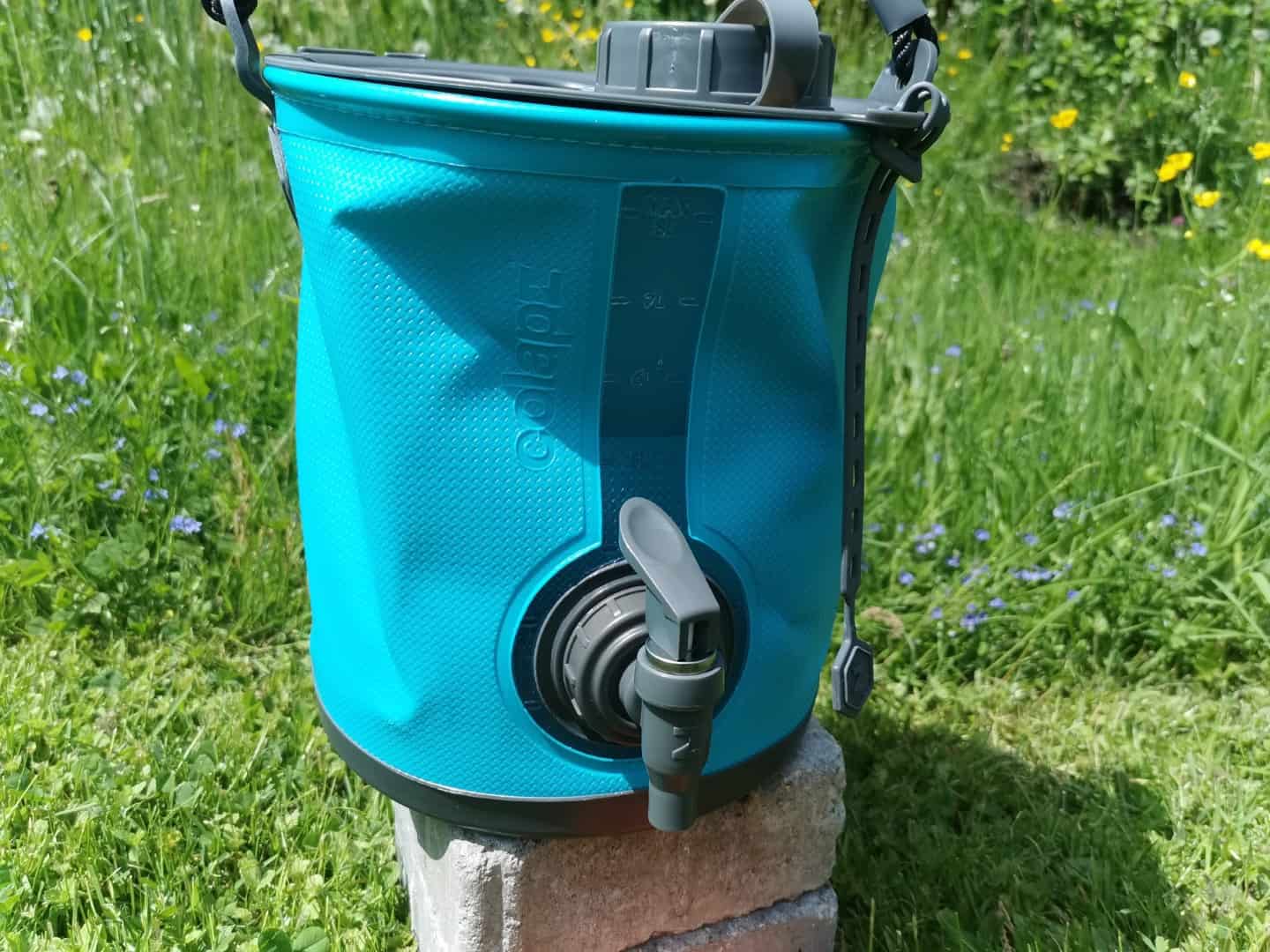
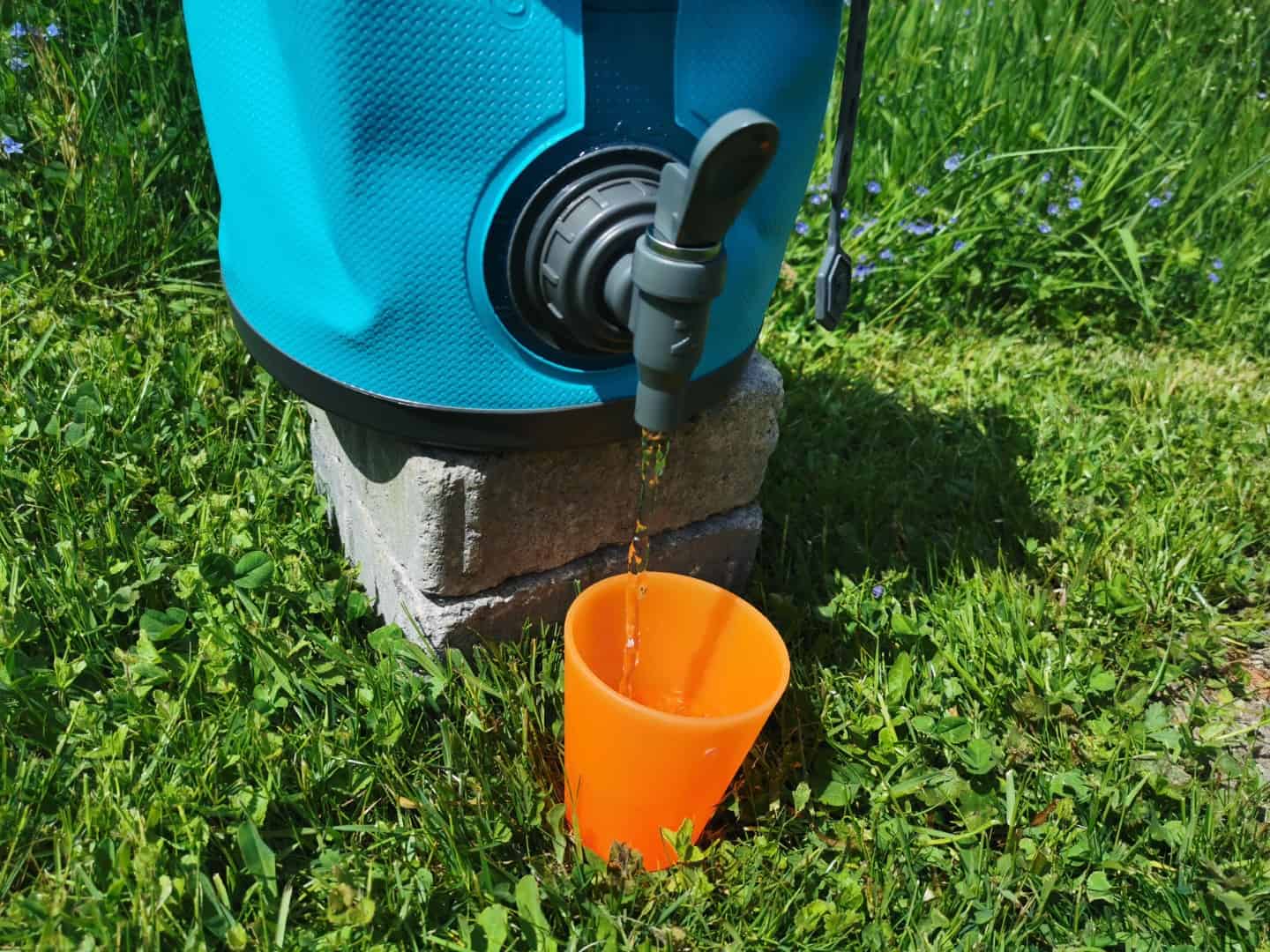
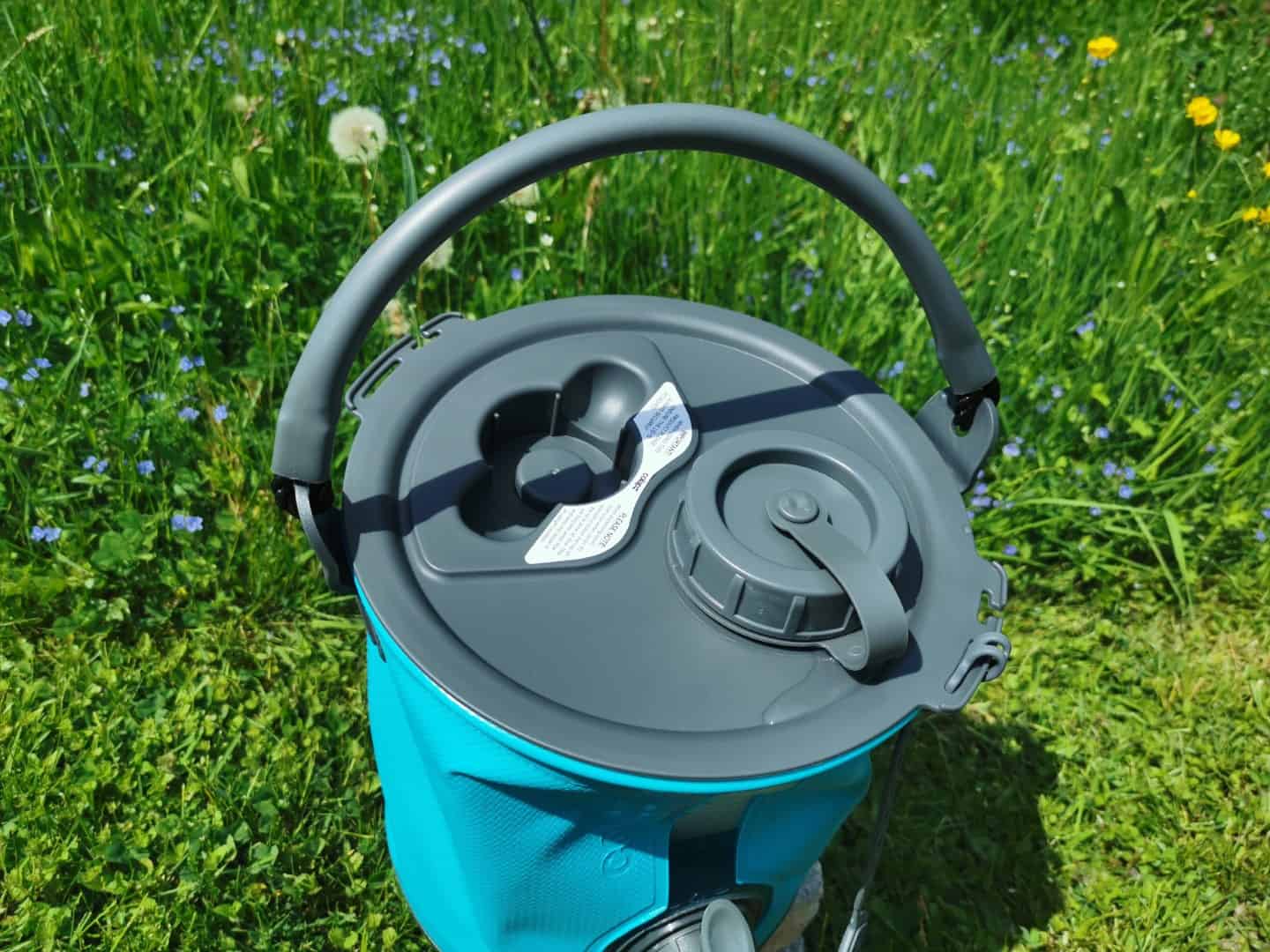
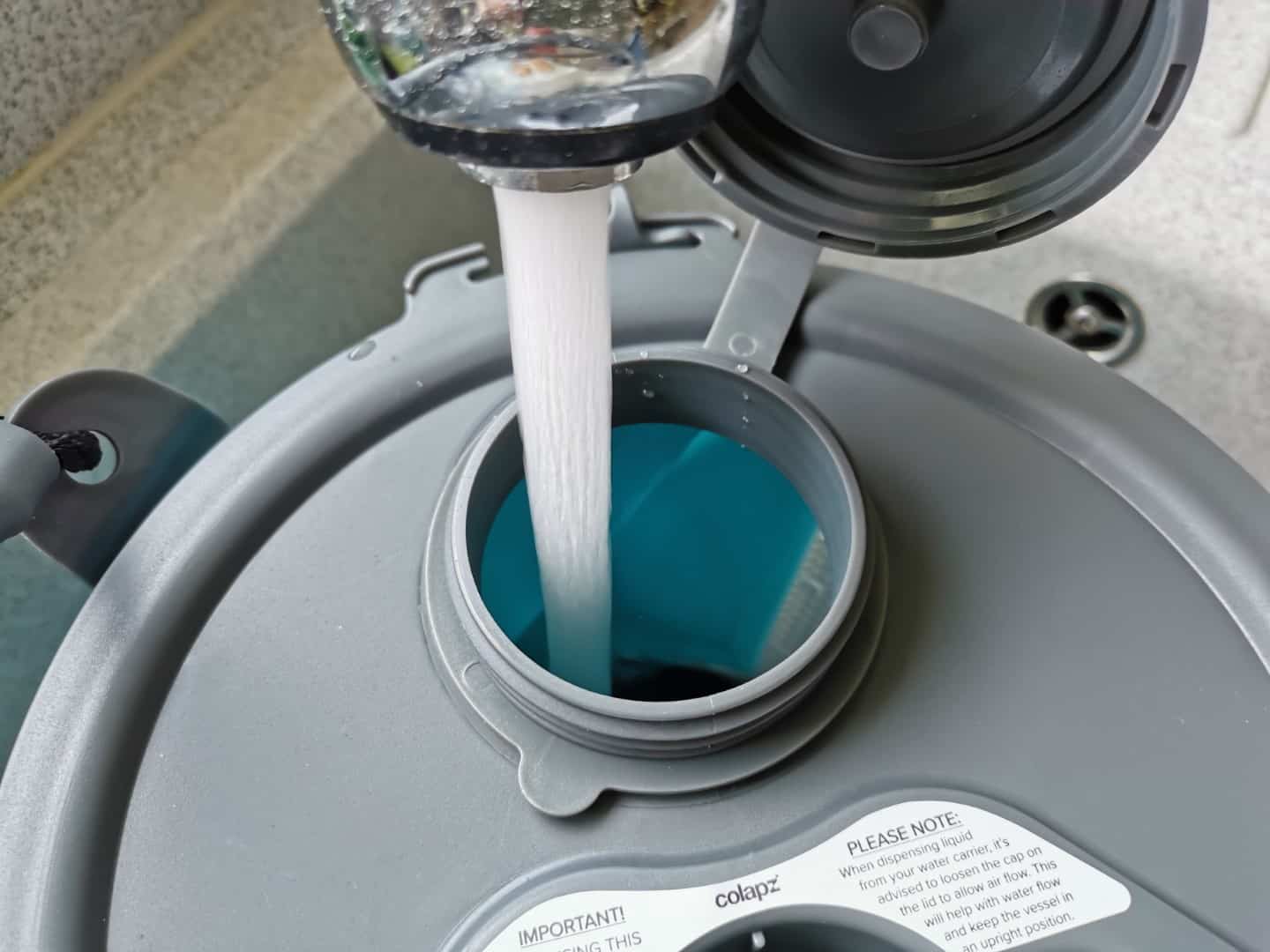
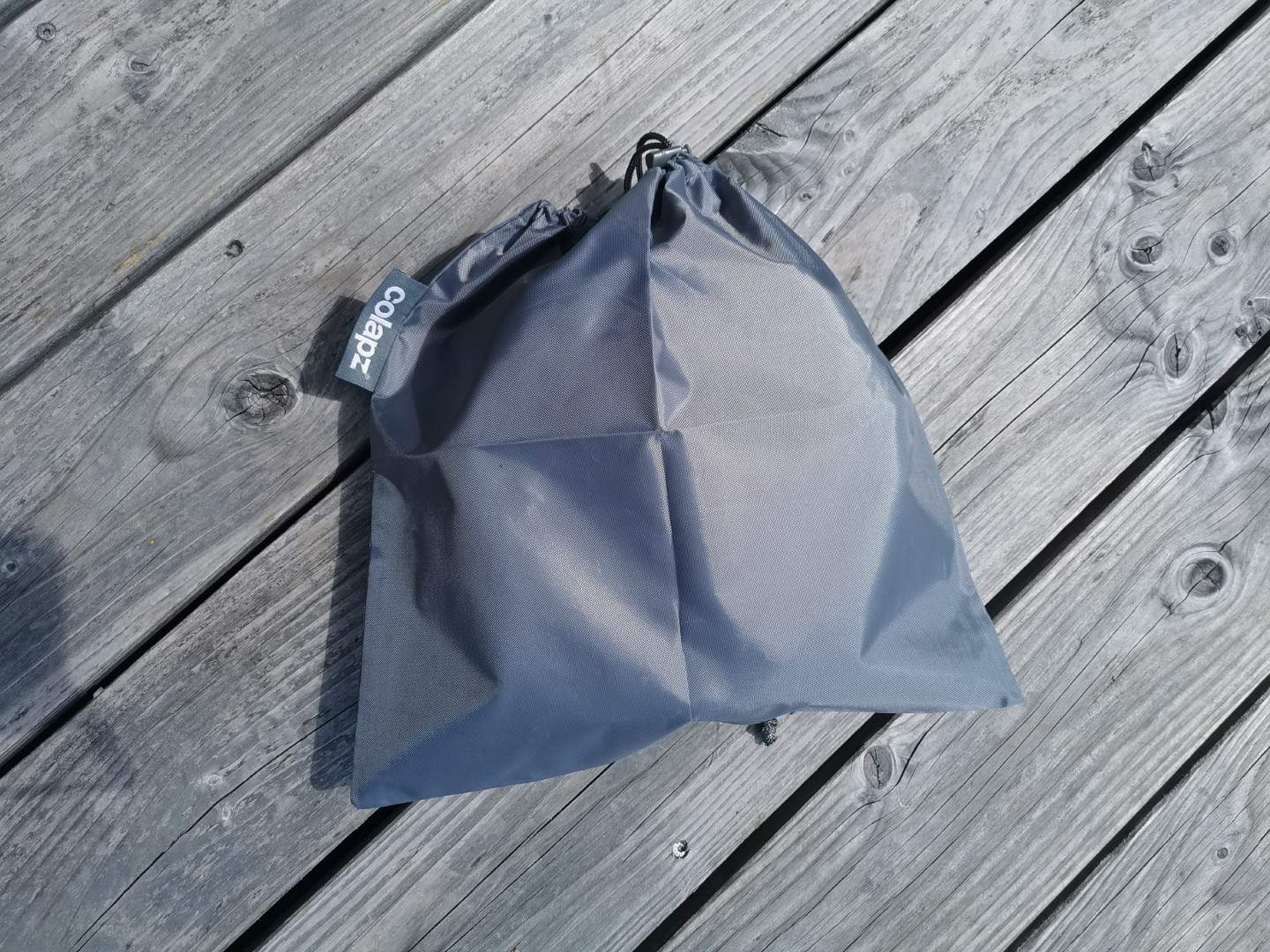
Constantly running back and forth to the nearest water source at the campsite can be quite annoying. As active campers, we therefore bought the collapsible water container from Colapz* . The container has a very small pack size (25x25x10cm) and a tap for convenient water dispensing, which can be locked in place. The lid can be completely removed, ensuring thorough drying and cleaning. However, since the lid is only attached, water should not be transported in it while driving.
Frequently asked questions about drinking water in Italy
Is it safe to drink tap water in Italy?
Yes, generally speaking. Tap water in Italy must comply with the EU Drinking Water Directive (implemented by Legislative Decree 18/2023) and is monitored by water suppliers and health authorities. If a tap is labeled "Acqua non potabile," it is not drinking water.
Is it safe to drink tap water in Tuscany?
Yes. Even in Tuscany, the tap water is generally perfectly safe, but often has a slight chlorine taste and is very hard in many places. If a temporary drinking ban is in effect in a municipality, this will be announced by public notice.
Am I allowed to drink from the public fountains (fontanelles)?
Yes, the fountains in villages usually provide drinking water, and locals also fill their bottles there. This does not apply if a fountain is marked "Acqua non potabile" (non-drinking water).
What are Case dell'acqua?
Modern water kiosks run by municipalities and water suppliers where you can get filtered, chilled tap water – often still or sparkling, free of charge or for a small fee depending on the municipality.
What happens if I accidentally filled up with "non potable water"?
Immediately empty the water tank and the entire piping system. Then fill it with clean drinking water mixed with a disinfectant from a camping supply store and flush all lines thoroughly several times.
Where can I fill up my water tank with my campervan?
At campsites, motorhome pitches with "Camper Service" (water and waste disposal), and at some motorway service areas. Some stations are free, others charge a small fee or operate with coins.
Why does the tap water smell like chlorine?
In Italy, water is often lightly chlorinated to keep it germ-free as it travels through the pipe network. The smell usually dissipates after the water has stood briefly in an open carafe.


