


Eating and drinking in Tuscany
Content
Food and drink are among the most important things in life in Tuscany – and among the best parts of a holiday. Tuscan cuisine is simple and down-to-earth: good olive oil, bread, beans, vegetables, grilled meats and game, and fish along the coast. Here you'll learn which dishes are typical, what each restaurant offers, how the menu works, and what coperto and tipping are all about.
At a glance
- Menu: Antipasto, Primo (pasta, soup), Secondo (meat or fish), Contorno (side dish, ordered separately), Dolce
- Meal times: Around midday, approximately 12:30–14:30 pm, and usually from 19:30 pm onwards.
- Covered: Cover charge per person, standard and not a rip-off.
- Tipping: Not mandatory; with good service, 5–10% or rounding up is a nice gesture.
- Typical Tuscan style: Ribollita, Pappa al pomodoro, Pici, Pappardelle al cinghiale, Bistecca alla fiorentina, Cantucci with Vin Santo
Typical Tuscan dishes

Tuscan cuisine is considered cucina povera , or poor people's cuisine: hearty dishes are created from a few, good ingredients. A typical feature is unsalted Tuscan bread, which is even used stale in soups and salads. A selection of classics:
| Gang | Typical dishes |
|---|---|
| Starters | Crostini neri (with chicken liver), sausages like Finocchiona (fennel salami), Lardo di Colonnata, Pecorino Toscano |
| First | Ribollita (bread and vegetable soup), Pappa al pomodoro, Panzanella (bread salad), Pici (thick spaghetti), Pappardelle al cinghiale (with wild boar ragout) |
| Seconds | Bistecca alla fiorentina, wild boar, Arista (roast pork), on the coast Cacciucco (fish soup from Livorno) |
| Side dishes | Fagioli all'uccelletto (beans in tomato sauce), grilled vegetables |
| Dolci | Cantucci with Vin Santo, Panforte from Siena, Castagnaccio (chestnut cake) |
Read more about regional specialties under Culinary Tuscany and interesting facts about olive oil . Fresh ingredients for your holiday apartment can be found at the weekly markets of Tuscany.
Dining out: Which restaurant offers what?
Italians love to eat out – not just for the food, but also to be among people and socialize. Dinner ( cena ) in particular is a social event that rarely starts before 19:30 pm and can last a long time. The lines between different types of restaurants are often blurred; it's always a good idea to check the menu and prices before entering.
Bar: Espresso, Cornetto and meeting place
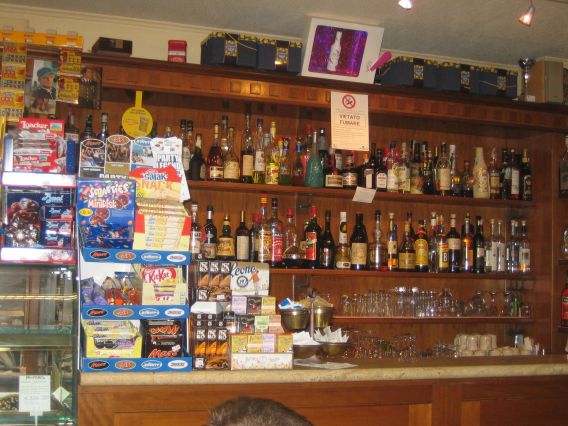
The simplest and most common type of establishment is the bar. Here, people drink their espresso ( un caffè ) or cappuccino in the morning, eat a cornetto (croissant) with it, and meet acquaintances. Italian breakfasts are sweet; cappuccino is traditionally only drunk in the morning, not with meals. Good to know: Coffee is usually cheaper when standing at the counter ( al banco ) than at a table, where there is often a service charge. Often, you pay at the register first and hand the receipt to the bartender. Many bars offer small hot dishes or filled panini at lunchtime.
Lunch menu
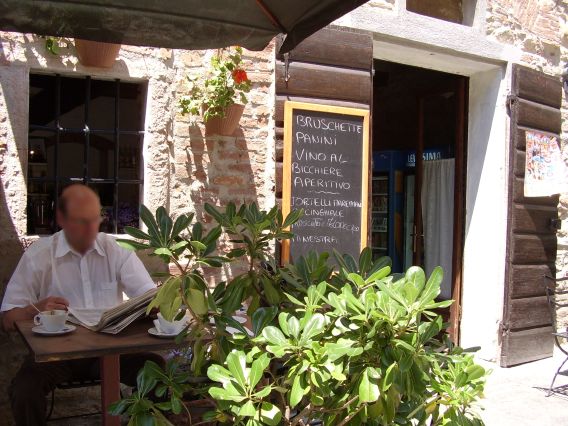
Many restaurants offer an affordable set lunch menu for working people ( menù del giorno , menù fisso , or pranzo di lavoro ): usually a first course (primo), a second course (secondo) with a side dish, often water or wine, and coffee for a fixed price. This is an inexpensive way for day-trippers to eat well on the go. Note: Many kitchens close around 14:30 pm and don't reopen until the evening.
Pizzeria and Ristorante-Pizzeria
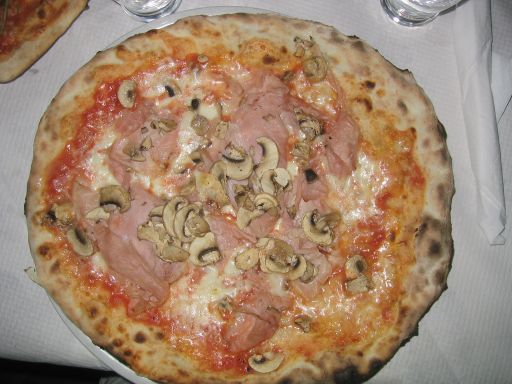
Those who don't want a long meal go to a pizzeria. Many pizzerias only open in the evening; wood-fired pizza is then served with salad and a glass of house wine ( vino della casa ). For families, this is an affordable way to enjoy the evening. The ristorante-pizzeria combines both: the children eat pizza, the parents the usual meal. The prices are moderate, the atmosphere is relaxed and lively – especially common in seaside resorts and tourist destinations.
tavern
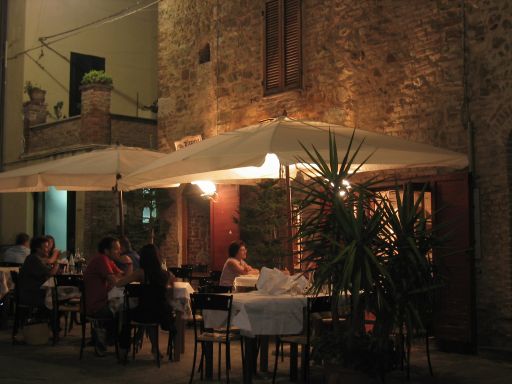
A trattoria is a mostly family-run restaurant serving regional cuisine, often specializing in dishes such as fish or grilled specialties. Some trattorias don't have a printed menu; the owner will simply list what's available that day. Trust their recommendations – here you'll find Tuscan cuisine in its most authentic form.
Restaurant
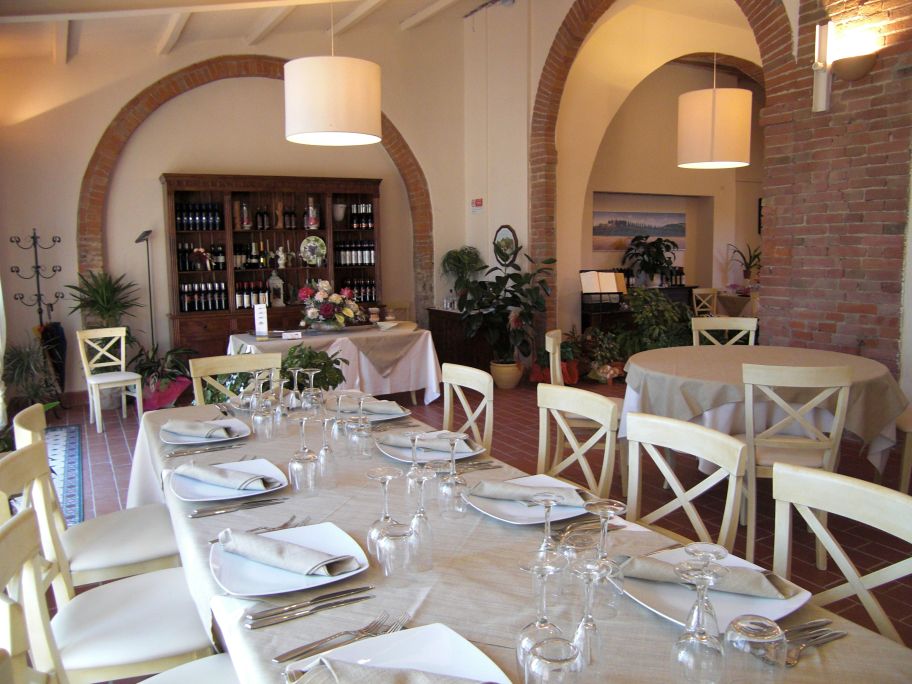
The Ristorante is an upscale restaurant with a larger menu and a selection of fine wines. The service is attentive, the ambiance refined and tranquil, and you'll learn why dinner in Italy isn't typically wolfed down in an hour. Expect to pay accordingly. For recommendations, see the best restaurants in Tuscany and, specifically for the coast, restaurants in Livorno.
Osteria
In the past, an osteria was the simple local tavern, located by the harbor or on the main road, serving simple dishes and plenty of wine. Today, the term is less clear: in rural areas, it might still refer to a rustic village pub, but often the name conceals an ambitious specialty restaurant. Therefore, check the prices posted beforehand.
Agriturismo and kitchen for house guests
A special feature for holidaymakers are agriturismos and holiday homes where the hosts cook Tuscan dishes for their guests – often using produce from their own farm, serving several courses, and accompanied by house wine. When booking, ask if and at what price dinner is offered. You can read more about this topic under " Farm Holidays".

Village festival (Sagra)
Keep an eye out for posters with the words "Sagra di…" during the summer and autumn. At these village festivals, local clubs and villagers cook a regional specialty in large quantities – such as chestnuts, mushrooms, wild boar, pici (a type of flatbread), or fish. Meals are eaten at long tables, often with plastic plates and self-service, accompanied by local wine and live music in the evening. It's hard to find a more affordable and convivial way to experience Tuscan cuisine. You can find more festivals under Festivals and Processions in Tuscany.
Bill, cover charge and tip
The invoice
In Italy, payment is usually per table. Separate checks are uncommon, and many restaurant owners find them difficult to accept – it's best to split the bill amongst yourselves. The bill will only arrive when you ask for it ( Il conto, per favore ). Keep the receipt ( scontrino ).
What is Coperto?
In many restaurants, the bill includes a cover charge of one person – a fee for bread, cutlery, and tablecloths. It's usually listed on the menu, is standard practice, and not a rip-off. Opinions differ on whether this also covers the tip; some restaurants charge a service charge ( servizio ) instead .
How much do you tip in Tuscany?
Tipping is not mandatory in Italy, but it is appreciated for good food and friendly service. In my experience, about 10% of the bill is sufficient; for smaller amounts, a generous rounding up is also acceptable. If the food and service were truly excellent, the server won't be bothered if you exceptionally tip more – and compliments on the kitchen are always welcome. Tipping is not customary in bars; however, a coin tray is often available at the counter.
Drinks: Wine, water and coffee
Wine and water ( still water , sparkling water) are served with meals . House wine by the glass is often a good and affordable choice in rural restaurants. You can find information about available wines under " Wine from Tuscany" and "DOC and DOCG: Chianti & Co. " After the meal, an espresso is typical, perhaps a corretto with a shot of grappa. Those driving should be aware that the blood alcohol limit in Italy is 0,5, and 0,0 for novice drivers in their first three years. Smoking is prohibited indoors; smoking is permitted on the terrace.
Frequently asked questions about food in Tuscany
What are some typical foods in Tuscany?
Typical dishes include ribollita, pappa al pomodoro, panzanella, pici, pappardelle with wild boar ragout, bistecca alla fiorentina, pecorino and finocchiona, and cantucci with Vin Santo. Along the coast, fish dishes are also common, such as cacciucco from Livorno.
What is the coperto in a restaurant?
A cover charge per person for bread, cutlery, and tablecloths is customary in Italy and is usually listed on the menu. A small tip for good service is still appreciated.
How much do you tip in Italy?
Tipping is not mandatory. For good service, a tip of around 5 to 10 percent or rounding up the bill is customary. Tipping is generally not expected at bars.
When do people eat dinner in Tuscany?
Usually from around 19:30 or 20 pm. Many restaurant kitchens don't open in the evening before 19 pm and close for lunch around 14:30 pm.
What is the difference between a trattoria, an osteria, and a ristorante?
A trattoria is usually a simple family-run restaurant with regional cuisine, an osteria was originally a village inn but is now sometimes more upscale, and a ristorante is the classic fine-dining restaurant. The boundaries are fluid.
What is a Sagra?
A village festival where a regional specialty takes center stage, such as chestnuts, mushrooms, or wild boar. Food is served at long tables at reasonable prices, often with music in the evening.


