World Heritage Site in Tuscany
Content
No other Italian region has as many UNESCO World Heritage Sites in such a small area as Tuscany. Seven sites lie entirely within Tuscany – from the historic center of Florence to the Val d'Orcia – in addition to Montecatini Terme, part of the "Great Spa Towns of Europe," and the beech forests of the Casentino, part of a transboundary natural heritage. Here you will find all the sites with their year of inscription and tips for visiting.
| World Heritage Site | recording session | Tip for your visit |
|---|---|---|
| Historic Center of Florence | 1982 | Minimum 2 days; book Uffizi Gallery and Cathedral in advance |
| Cathedral Square, Pisa | 1987 | Half-day; tower tickets with time slots |
| Historic center of San Gimignano | 1990 | early morning or evening |
| Historic center of Siena | 1995 | Day 1; Piazza del Campo and Cathedral |
| Historic center of Pienza | 1996 | combine with the Val d'Orcia |
| Val d'Orcia | 2004 | Round trip via San Quirico, Bagno Vignoni, Montalcino |
| Medici villas and gardens | 2013 | Boboli Gardens in Florence, villas around Florence |
| Montecatini Terme (Great Spa Towns of Europe) | 2021 | Thermal bath architecture, funicular railway to Montecatini Alto |
| Beech forests of the Foreste Casentinesi (part of the “Ancient Beech Forests of Europe”) | 2017 | National park in Casentino, only peripheral areas accessible |

The World Heritage Sites in detail
Historic Center of Florence (1982)
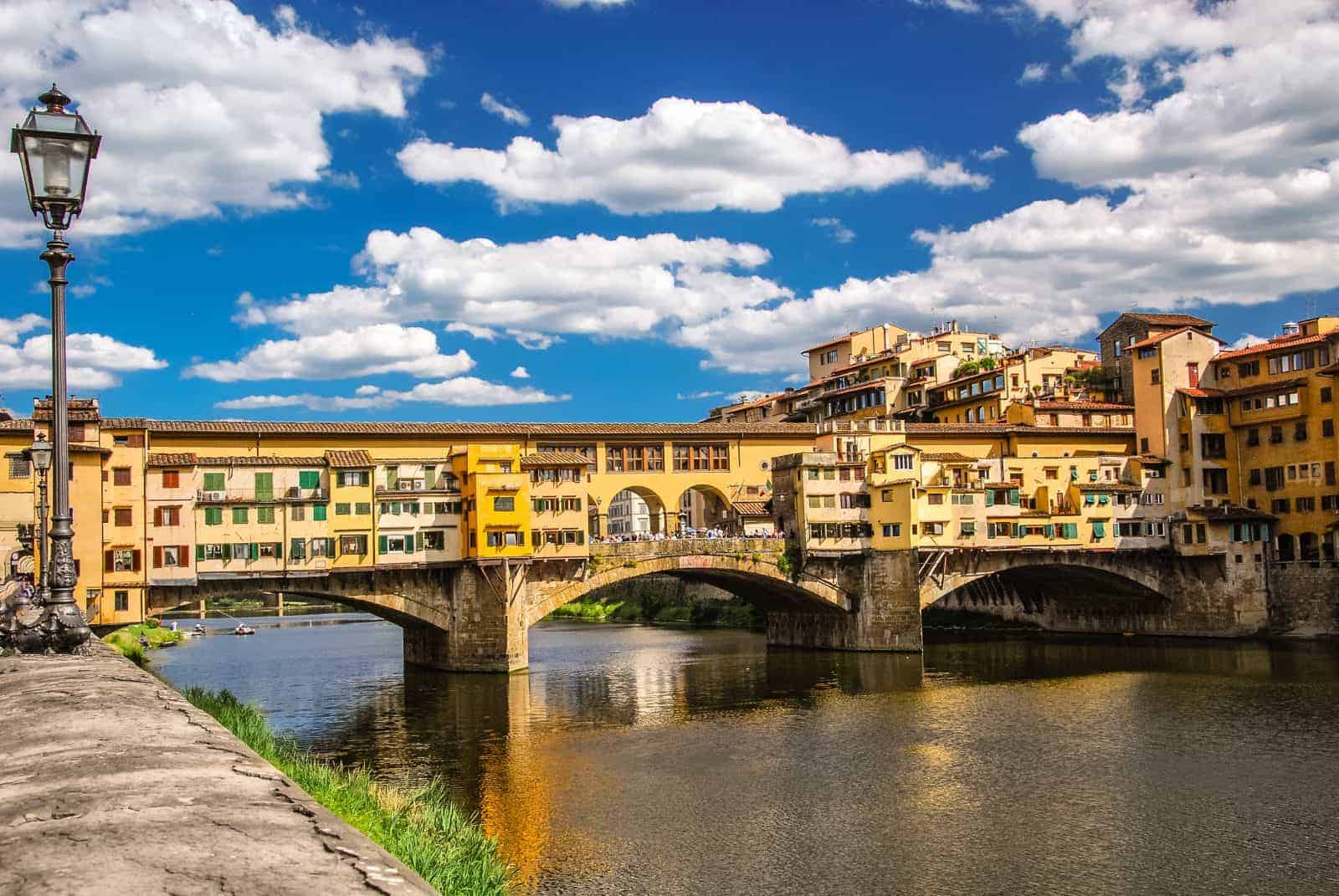
Florence was the center of the Renaissance. Within a small area lie the Duomo with Brunelleschi's dome, the Baptistery, the Palazzo Vecchio, the Ponte Vecchio, the Palazzo Pitti, and the Uffizi Gallery – along with many of Tuscany's most important museums . Tickets for the Duomo complex and the Uffizi should be booked in advance, either officially or via GetYourGuide: Uffizi.
Piazza del Duomo in Pisa (1987)
The complex includes the cathedral, the baptistery, the bell tower – the Leaning Tower of Pisa – and the Camposanto cemetery. Construction of the tower began in 1173 and lasted around two centuries; even during construction, it began to lean due to the soft ground. After stabilization, it has been open to the public again since the end of 2001. Tickets with a fixed time slot are available from the Opera della Primaziale Pisana ( opapisa.it ) or via GetYourGuide: Leaning Tower of Pisa.
San Gimignano (1990)
The family towers make San Gimignano unique. Of the original 72 towers, 14 remain. The small town is very crowded during the day – it's most beautiful in the early morning and evening.
Siena (1995)
Siena has preserved its medieval cityscape almost unchanged. At its heart is the shell-shaped Piazza del Campo with the Palazzo Pubblico, where the Palio horse race is held twice a year. The cathedral, with its famous marble floor, is another highlight. More: Sights in Siena.
Pienza (1996)
Pope Pius II had his birthplace, Corsignano, rebuilt according to Renaissance ideals starting in 1459 and renamed Pienza. The square with the cathedral and Palazzo Piccolomini is considered an early example of a planned "ideal city".
Val d'Orcia (2004)
The landscape south of Siena, with its hills, cypress trees, farmsteads, and towns like Pienza, San Quirico d'Orcia, Montalcino, and Bagno Vignoni, was deliberately shaped in the 14th and 15th centuries and inspired Renaissance painters. Learn more in the article Landscapes of Tuscany.
Medici Villas and Gardens (2013)
Twelve villas and two gardens in Tuscany bear witness to the Medici's influence on art and architecture. These include the Boboli Gardens behind the Pitti Palace in Florence, as well as villas such as Poggio a Caiano, Castello, and La Petraia in the Florence area.
Montecatini Terme (2021)
Together with ten other spa towns such as Baden-Baden and Bad Ems, Montecatini Terme forms the World Heritage Site "Great Spa Towns of Europe". The thermal baths, parks and spa architecture were recognized – more information can be found under Thermal Baths of Montecatini.
Beech forests in the Casentino (2017)
Since 2017, the Sasso Fratino nature reserve in the Foreste Casentinesi National Park has been part of the transboundary World Heritage Site "Ancient and Primeval Beech Forests of the Carpathians and Other Regions of Europe". The core area is strictly protected; hiking trails in the rest of the national park lead through the surrounding forests.
plan visit
- Combine: Pisa can be easily compared to Lucca connect Siena with San Gimignano, Pienza with the Val d'Orcia.
- Tickets: Book in advance for the Uffizi Gallery, Florence Cathedral and the Leaning Tower – time slots fill up quickly during peak season.
- travel time: Spring and autumn are more pleasant than the hot, full high summer – see best travel time for Tuscany.
Frequently asked questions about the UNESCO World Heritage sites in Tuscany
How many UNESCO World Heritage Sites are there in Tuscany?
Seven sites lie entirely within Tuscany: Florence, Pisa (Piazza del Duomo), San Gimignano, Siena, Pienza, the Val d'Orcia, and the Medici villas. In addition, Montecatini Terme (a Great Spa Town of Europe) and the beech forests of the Casentino are included as part of cross-border sites.
Since when has the historic center of Florence been a World Heritage Site.
Since 1982. It was the first World Heritage Site in Tuscany.
Is the Leaning Tower of Pisa a UNESCO World Heritage Site?
Yes, as part of the Piazza del Duomo in Pisa, which was photographed in 1987 along with the Cathedral, Baptistery and Camposanto.
Why is the Val d'Orcia a World Heritage Site?
Because the landscape was deliberately shaped in the 14th and 15th centuries and is considered an outstanding example of a Renaissance cultural landscape. It has been a World Heritage Site since 2004.
Which World Heritage sites can be visited in one day?
Siena and San Gimignano or Pienza can be easily combined with a tour through the Val d'Orcia.