Giglio Island
Content
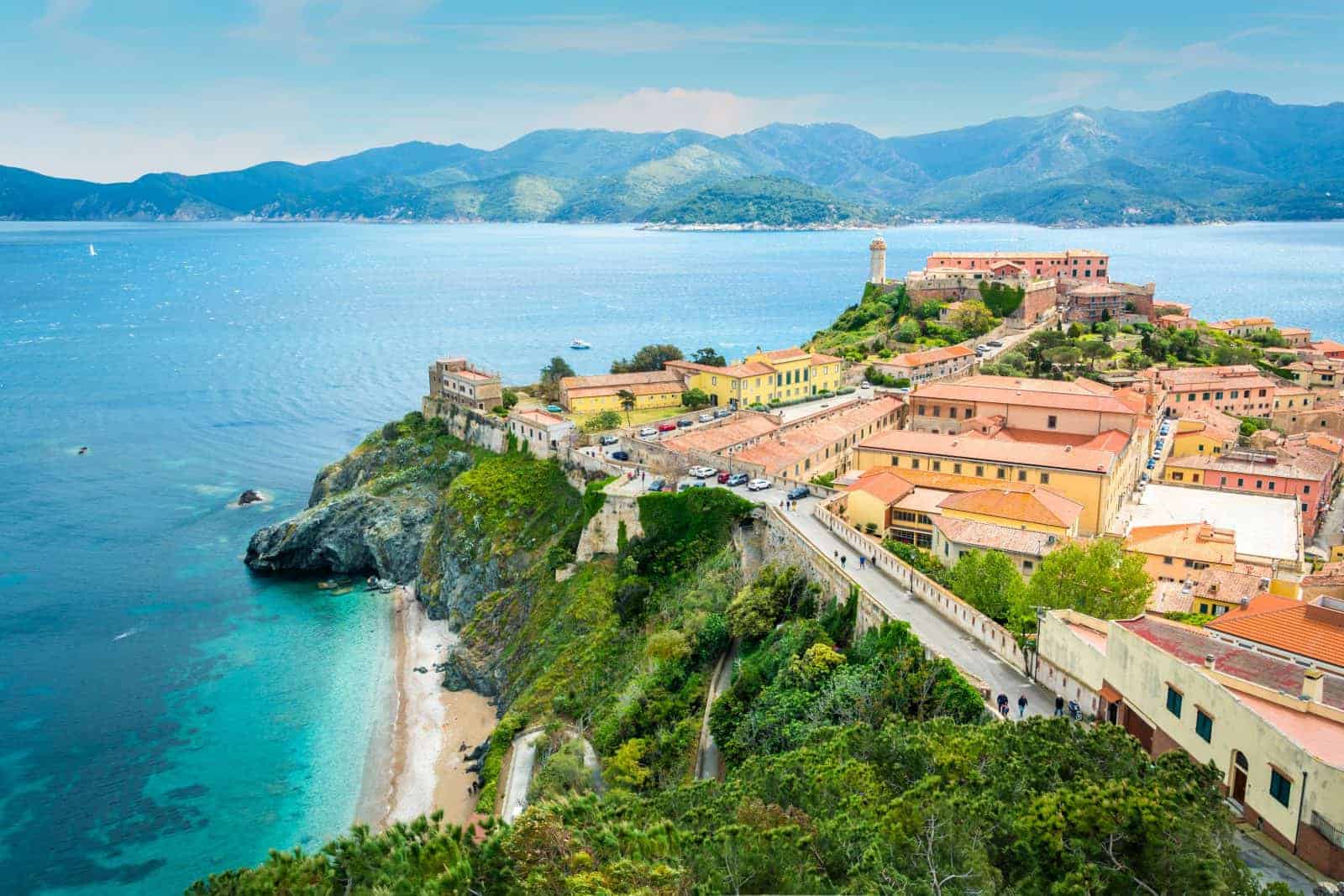
Giglio is the second largest island in the Tuscan Archipelago after Elba and lies about 16 km off the coast of Monte Argentario. The ferry from Porto Santo Stefano takes about an hour. The island is approximately 90% covered in maquis shrubland and offers clear waters, a medieval mountain village, and tranquil coves – ideal for day trips and relaxing beach holidays.
Giglio at a glance
- Arrival: Ferries from Toremar and Maregiglio depart from Porto Santo Stefano, journey time approximately 1 hour, several times daily.
- Size: Approximately 21 km², highest point Poggio della Pagana (496 m); around 1.400 inhabitants.
- Places: Giglio Porto (port), Giglio Castello (mountain village), Giglio Campese (beach resort).
- Auto: Vom 3. bis 24. August 2026 dürfen Autos und Motorräder mit italienischem Kennzeichen nur mit mindestens 5 Übernachtungen (Camping: 4) auf die Insel; ausländische Kennzeichen sind ausgenommen.
- Community: The municipality of Isola del Giglio also includes the small island of Giannutri.
Arrival in Giglio
All ferries to Giglio depart from Porto Santo Stefano on Monte Argentario and arrive in Giglio Porto. Two ferry companies, Toremar and Maregiglio , operate year-round; the crossing of approximately 20 km takes about an hour. In summer, there are significantly more departures – the first usually around 7:30 or 8 a.m., followed by departures roughly hourly until the afternoon, with the last return trips in the early evening. Fewer ferries operate in winter. With Maregiglio, an adult ticket costs €14,50 each way (off-season) or €16 (peak season), plus a landing fee for the island (€3 from April to October, otherwise €2); a car up to 4,5 m costs €48 or €56 (list prices according to the ferry company, as of November 2026). Prices vary depending on the season, time of day, and ferry company; discounts are sometimes available online. In July and August, you should book online in advance, especially for vehicles and on weekends.
Porto Santo Stefano can be reached via the Aurelia (SS1) and the Orbetello causeway. There are paid parking lots at the port, which fill up early in the summer. We present the coastline around Monte Argentario in our tour from Grosseto to Monte Argentario.
To Giglio by car or campervan?
Die Insel ist klein, die Straßen sind eng und kurvig, Parkplätze in den Orten knapp. Für Tagesausflüge lassen Sie das Auto besser in Porto Santo Stefano. Im Hochsommer beschränkt Giglio zudem die Zahl der Fahrzeuge: Vom 3. bis 24. August 2026 (einschließlich) dürfen Autos und Motorräder mit italienischem Kennzeichen nur auf die Insel, wenn ihre Besitzer mindestens 5 Tage auf Giglio übernachten – auf dem Campingplatz genügen 4 Tage. Nötig ist eine Selbsterklärung (autocertificazione) mit Fahrzeug- und Unterkunftsdaten, die bei der Ankunft vorgezeigt und im Fahrzeug mitgeführt wird. Fahrzeuge mit ausländischem Kennzeichen, Fahrzeuge von Inselbewohnern und Nutzfahrzeuge sind laut Reederei Maregiglio ausgenommen (Stand 2026). Für Wohnmobile nennt die Regelung keine eigene Vorgabe – fragen Sie im Zweifel bei der Reederei oder beim Campingplatz nach. Die Daten werden jedes Jahr neu festgelegt.
Traveling on the island
Regular buses connect Giglio Porto, Giglio Castello, and Giglio Campese; taxis (including minibuses) and scooter and car rentals are also available. The distance from Castello to Campese is approximately 5 km. Those who enjoy hiking can reach the villages and many coves via hiking trails and mule tracks.
The places on Giglio
Giglio Porto
This is where the ferries arrive. The small harbor with its colorful houses, cafes, and fish restaurants is the heart of the island. The Saracen Tower, built by Grand Duke Ferdinand I in 1596 to protect against pirate raids, stands by the harbor.
Costa Concordia: On January 13, 2012, the cruise ship Costa Concordia ran aground on the Scole rocks off Giglio Porto and capsized; 32 people lost their lives. The wreck was righted in July 2014, floated, and towed to Genoa for scrapping. The island commemorates the victims every year on the anniversary of the disaster.
Giglio Castello
Das mittelalterliche Dorf liegt hoch oben auf dem Berg, umgeben von einer gut erhaltenen Stadtmauer mit Türmen. Durch enge Gassen, Treppen und Bögen geht es zur Burg (Rocca) mit weitem Blick über das Meer – bei klarer Sicht bis Giannutri, Elba und Korsika. In der Kirche San Pietro Apostolo wird ein Elfenbeinkruzifix aus dem 16. Jahrhundert aufbewahrt, das Giambologna zugeschrieben wird. Am 10. August feiert Castello sein Patronatsfest San Lorenzo. Busse verbinden das Dorf mit Porto und Campese.
Campese Lily
The resort town in the west lies on the island's largest bay, boasting a long beach and the striking Medici Tower (Torre del Campese), built around 1700 to monitor the bay. Since Campese faces west, it offers a particularly beautiful spot to watch the sunset. The island's campsite is located just north of the town.
Beaches, nature and diving
| Beach | Location | Substrate: | Access |
|---|---|---|---|
| Campese | West Coast | sand and gravel | Street, bus; bars and toilets |
| Arenella | north of Giglio Porto | fine sand | car, scooter, bus |
| Cannelle | south of Giglio Porto | light sand | short walk from the port or car |
| Caldane | south of Cannelle | Sand, smallest bay | only by boat or challenging footpath (30–40 min. from Cannelle) |
| Pozzarelli | near Giglio Porto | Rock with gravel patches | short walk from the village |
| Pertusus | southwest coast | gravel and rock | on foot or by boat |
Campese, Arenella, and Cannelle are popular destinations in summer; bring water and provisions to the smaller coves, as there are no bars there. Many rocky coves are most easily reached by boat trip around the island.
Around 90% of the island is covered in Mediterranean scrubland; Giglio is part of the Tuscan Archipelago National Park. Hiking trails connect the villages and lead to viewpoints. The white wine Ansonaco is grown on the island's terraces. For more beaches on the mainland coast, see Beaches of Tuscany.
Diving and Snorkeling
Giglio is considered one of the best diving areas in Tuscany: steep walls covered with red and yellow gorgonians, sponges, Neptune grass meadows, moray eels, groupers, and amberjacks. Well-known dive sites include the Secca della Croce north of Giglio Porto (walls down to about 50 m), the Secca Zampa di Gatto (27–45 m), Le Scole south of the harbor, the Scoglio del Corvo , the Scoglio di Pietrabona , and Punta del Capel Rosso at the southern tip. Dive centers on the island offer guided dives and courses. The rocks around Cannelle, Arenella, and Campese are ideal for snorkeling. An Etruscan shipwreck dating back to around 600 BC was also discovered off Campese.
Day trip or holiday on Giglio?
Giglio as a day trip
A day trip is well worth it: With a ferry in the morning and the return journey in the early evening, you'll have around eight hours. A possible itinerary: stroll through Giglio Porto, take the bus up to Giglio Castello, have lunch in the mountain village, and swim in Campese in the afternoon – or simply stay at the port and walk to Cannelle or Arenella. Leave your car on the mainland and check the departure time of the last return ferry.
Overnight stay on Giglio
Those who want to dive, hike, or experience the tranquility of the evening after the day-trippers have left should stay for a few nights. Giglio offers hotels, private holiday apartments, and a campsite near Campese. In July and August, you should book early – availability is limited, and many Italians spend their summer holidays here.
Hotels and holiday apartments on the island can be found at Booking.com, for example in Giglio Porto and Giglio Castello.
Find accommodation on Giglio
Excursions from Giglio
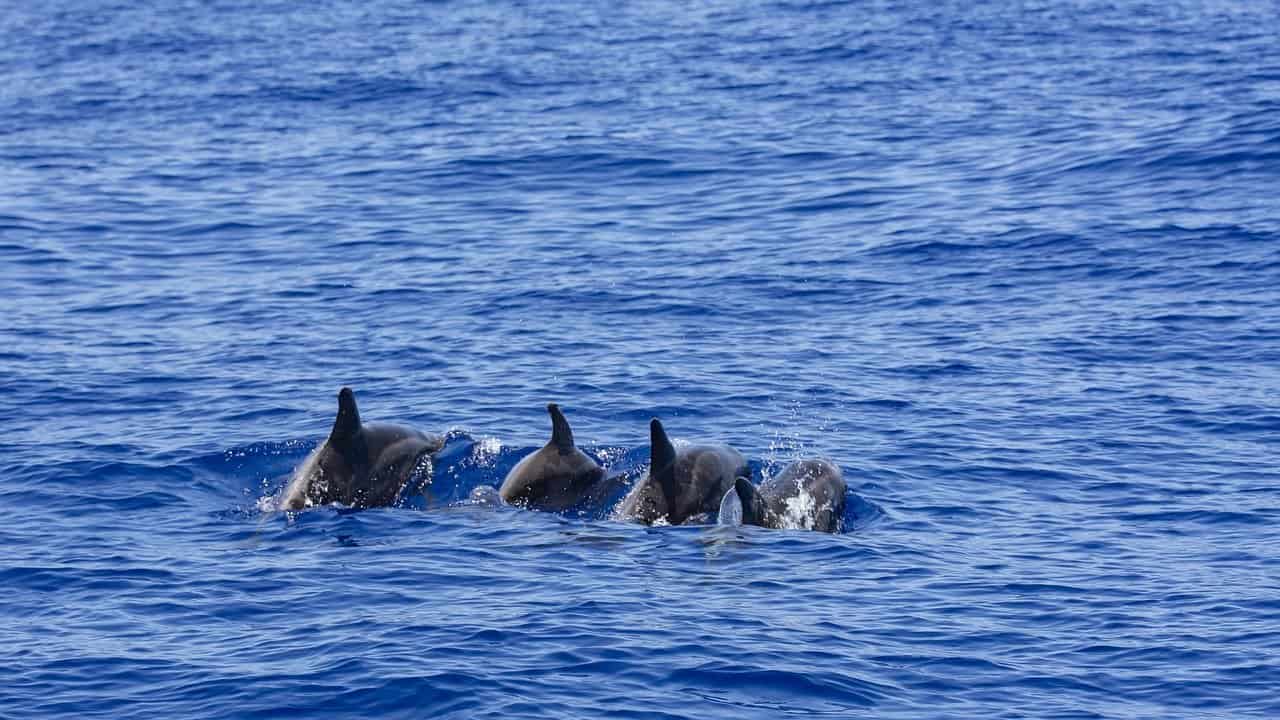
Von Giglio und Porto Santo Stefano lassen sich weitere Inseln erreichen: die kleine Insel Giannutri gehört zur selben Gemeinde. 2026 starteten zwei der geführten Touren nach Montecristo (22. Mai und 12. Juni) in Porto Santo Stefano mit Halt auf Giglio. Das Meer rund um Giglio liegt im Pelagos-Schutzgebiet für Wale und Delfine. Die größte Insel des Archipels stellen wir auf unserer Seite Elba vor.
Organized snorkeling and diving trips to the islands of Giglio and Giannutri – mostly from Porto Santo Stefano or Porto Ercole – can be found at GetYourGuide (Isola del Giglio).
Frequently asked questions about the island of Giglio
How do you get to the island of Giglio?
Take the ferry from Porto Santo Stefano on Monte Argentario. Toremar and Maregiglio offer several daily crossings to Giglio Porto year-round; the crossing takes about an hour.
Is it allowed to drive to the island of Giglio?
Grundsätzlich ja. Vom 3. bis 24. August 2026 dürfen Fahrzeuge mit italienischem Kennzeichen aber nur bei mindestens 5 Übernachtungen (Camping: 4) und mit Selbsterklärung auf die Insel. Ausländische Kennzeichen sind laut Reederei ausgenommen. Für Tagesausflüge lassen Sie das Auto besser am Festland.
Is a day trip to Giglio worthwhile?
Yes. Taking a ferry in the morning gives you several hours to explore Giglio Porto, the mountain village of Giglio Castello, and enjoy a swim in Campese, Cannelle, or Arenella.
Which is the most beautiful beach on Giglio?
Campese is the largest and most family-friendly beach. Arenella and Cannelle near Giglio Porto have fine sand and very clear water; Caldane is only accessible on foot or by boat.
Where was the Costa Concordia located?
The cruise ship ran aground on the Le Scole rocks off Giglio Porto on January 13, 2012. The wreck was towed away in July 2014 and scrapped in Genoa.
Is it possible to dive at Giglio?
Yes, Giglio is one of the most famous diving areas in Tuscany, with gorgonian walls, for example at Secca della Croce or Punta del Capel Rosso. Dive centers on the island offer guided dives.