Wild camping in Italy: rules, penalties and the best legal alternatives
Content
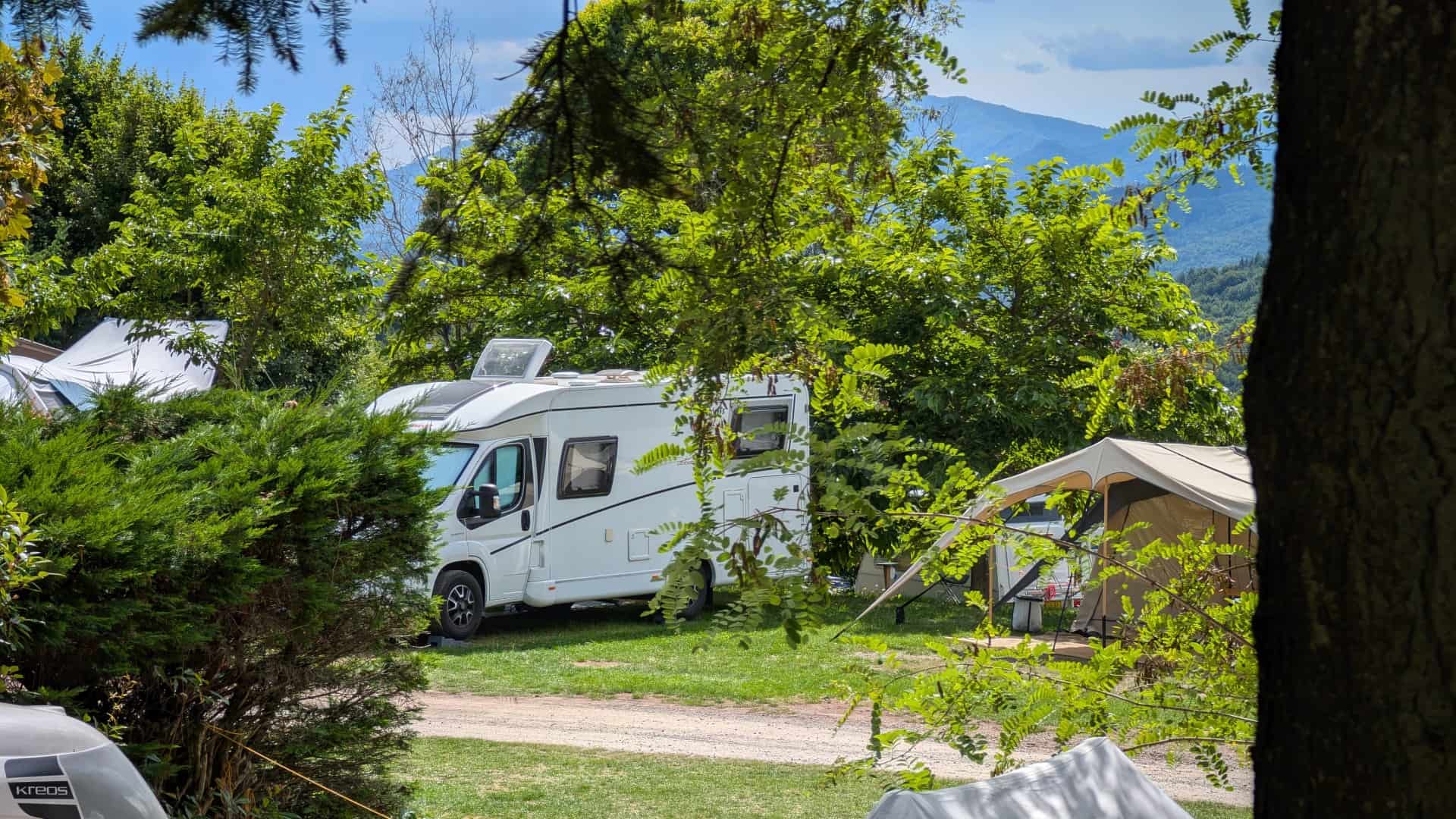
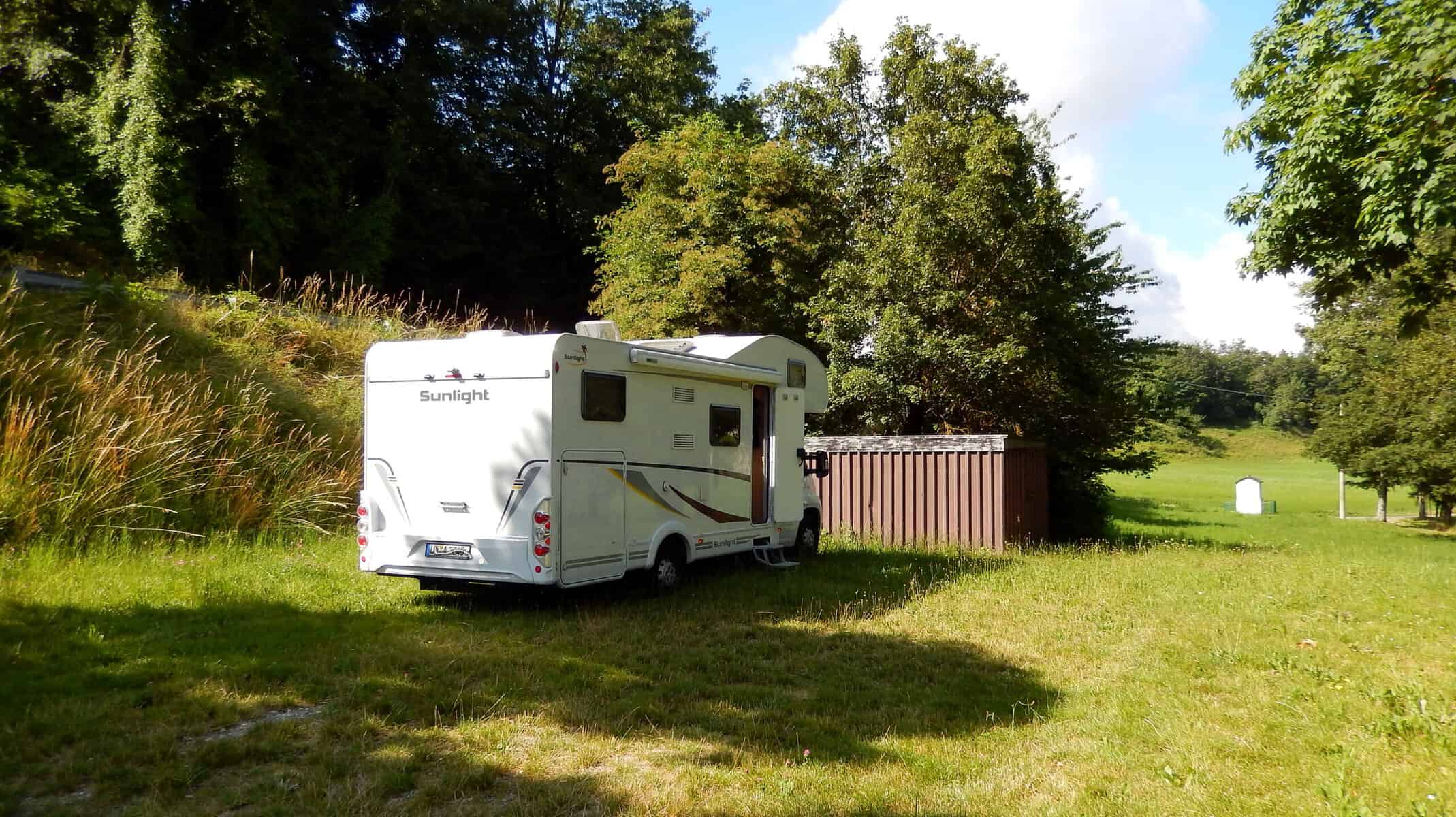
Spending the night in your campervan right by the sea or under olive trees – a beautiful dream, but tricky in Italy: Wild camping is generally not permitted in Italy ; the details are regulated by regions, municipalities, and nature parks. However, simply parking your campervan is allowed, as long as you don't "camp" there. Here you can find out where the line is drawn, what fines you might face, and what legal alternatives exist in Tuscany.
Short answer
- Wild camping (Tent, awning, table and chairs outside of campsites) is practically prohibited everywhere in Italy – regulated by municipal ordinance, parking and coastal regulations.
- Parking with a motorhome is permitted where cars are allowed to park – even overnight, as long as the vehicle is only standing on its wheels and nothing is being extended or lowered (Art. 185 Codice della Strada).
- Fines: Violations of municipal regulations usually cost €25–500, wastewater discharge €87–344; it can be more expensive in protected areas.
- Legal alternatives: Motorhome pitches (aree di sosta), Agricampeggio, Agricamper farms, campsites.
Is wild camping allowed in Italy?
No. Italy doesn't have a "right to roam" like Scandinavia, nor a uniform national law on wild camping. Instead, regions, municipalities, and nature parks regulate where camping is permitted – and this is almost exclusively in designated areas. Many municipalities, especially along the coast, have issued explicit bans on "campeggio" and "bivacco" in public areas, on beaches, and in pine forests, and enforce these bans during the season.
The situation in Tuscany
In Tuscany, camping is only permitted in approved establishments: campsites, holiday villages, and official campervan pitches. The Tuscan Tourism Law (Testo unico del turismo, LR 61/2024), which replaced the previous LR 86/2016, classifies campervan pitches ("aree di sosta camper") as open-air accommodation. The previous maximum stay of 72 hours has therefore been abolished; however, individual sites may set their own limits. Many municipalities prohibit wild camping outside these designated areas by ordinance – particularly along popular coastal stretches such as Versilia, the Etruscan Coast, the Maremma, and Argentario. Additional regulations apply in national parks like the Tuscan Archipelago and in nature reserves.
Parking or camping? Art. 185 Code of the Strada
For motorhomes, the most important rule is Article 185 of the Italian Highway Code. According to this, a motorhome (autocaravan) is considered a normal vehicle when parked. Parking is not considered camping as long as the vehicle
- only with the wheels on the ground (no extended support legs),
- does not release any of its own liquids (grey or black water) and
- does not take up more space than the vehicle's own dimensions – so no awning, no table, no chairs, no protruding windows or steps on the sidewalk.
Are you allowed to sleep overnight in your campervan in a regular parking lot? Generally, yes – provided parking is permitted there and no prohibition sign (e.g., no through traffic or parking for campervans, time restrictions) states otherwise. However, as soon as you start "camping," it's considered camping outside of designated areas. Many municipalities also explicitly prohibit parking for campervans or nighttime driving at coastal parking lots – pay attention to the signs.
What fines are possible?
The amount depends on which regulation you violated. The following guidelines are based on Italian law (as of 2026):
| violation | Legal basis | Fines |
|---|---|---|
| Camping contrary to a municipal ordinance or statute | Art. 7-bis TUEL (D.Lgs. 267/2000) | €25 to €500, unless the municipality stipulates otherwise. |
| Discharging wastewater or waste from the motorhome onto public land | Art. 185 Codice della Strada | €87 to €344 (amounts are regularly adjusted) |
| Violations in national parks and nature reserves | Park and protected area rules | their own, sometimes significantly higher sanctions |
| Parking despite parking or stopping restrictions | Highway Code | Regular parking fine, possibly towing |
The practical inconvenience is also important: the Polizia Municipale can send you away in the middle of the night, and there are intensive checks on the coast during the high season.
Legal alternatives to wild camping in Tuscany
Motorhome pitches (aree di sosta)
The simplest solution: official campsites, often with water and waste disposal facilities, some directly by the sea or on the outskirts of historic towns. Reservations are usually not required. You can find a selection in our guide to motorhome campsites in Tuscany ; general tips for traveling through Tuscany by motorhome.
Agricampeggio: Camping on a farm
Many Tuscan agriturismos offer pitches for tents, caravans or motorhomes – the so-called agricampeggio . They are located in quiet, green surroundings, often with sanitary facilities and the opportunity to buy wine, olive oil or cheese directly from the producer.
Agricamper Italia: 24 hours on farms and wineries
With an annual membership at Agricamper Italia, you can park your motorhome for up to 24 hours free of charge at participating farms, wineries, and farm shops throughout Italy. Purchasing a membership is not mandatory, but highly recommended.
- The Advantage: They are located legally, safely, and in the heart of nature, and can be purchased directly from the producer. Tuscan wine or fresh olive oil try.
- More Info: Agricamper.com/de
Campgrounds
For longer stays with showers, electricity, a pool, or proximity to the beach, there's no way around a campsite – it's best to book in advance during peak season. Our favorites on the coast: the most beautiful campsites right by the sea , and for those traveling with their four-legged friend: Camping with a dog in Tuscany.
- Our advice: Book your campsite conveniently via portals such as camping.info or compare available places at Booking.com: Campsites in Tuscany.
Parking spaces on farms in Germany and Switzerland
Similar networks to Agricamper also work north of the Alps during the journey:
- Countryside Pleasure: Over 2.100 hosts – farms, wineries, cheese dairies – in Germany, Austria, and Switzerland, where you can stay for 24 hours free of charge with your annual membership. Get the campsite guide via our Landvergnügen recommendation link.
- Place2bee: The Swiss equivalent offers overnight accommodation at farms, wineries and cheese dairies: Place2bee.ch.
More tips for your campervan holiday in Tuscany
- Traffic rules and ZTL: Familiarize yourself with the Italian traffic regulations familiar – especially with the camera-monitored ZTL zones in the old towns.
- Gas supply: German gas cylinders are neither exchanged nor refilled in Italy. Solutions can be found at [website address]. Camping gas in Italy.
- Electricity: The article will tell you which adapters you need. Electrical outlets in Tuscany.
- Water: Whether you can drink the water at campsites is explained in our article on... Drinking water quality in Italy.
Frequently asked questions about wild camping in Italy
Is wild camping allowed in Italy?
No. Camping is generally only permitted in approved areas. Details are regulated by regions, municipalities, and nature parks; many coastal communities have issued explicit prohibitions.
Am I allowed to spend the night in my campervan in a parking lot in Italy?
Yes, if parking is permitted there and there is no sign excluding motorhomes. According to Article 185 of the Highway Code, parking is not considered camping as long as the vehicle is only resting on its wheels, nothing is being extended, and no fluids are leaking.
What is the penalty for wild camping in Italy?
Violations of municipal regulations are usually punished with fines of €25 to €500 (Art. 7-bis TUEL). Those who discharge wastewater illegally pay between €185 and €87 according to Art. 344 of the Codice della Strada. Fines can be higher in protected areas.
How long am I allowed to stay in a parking space in Tuscany?
The Tuscan Tourism Law (LR 61/2024) no longer stipulates a maximum stay of 72 hours for campervan pitches (aree di sosta camper). However, individual sites may set their own limits – please check the site rules.
What is the best alternative to wild camping in Tuscany?
Pitches, Agricampeggio on agriturismi farms, and the 24-hour pitches of Agricamper Italia on farms and wineries are available. Campsites are a good option for longer stays.