Road trip through Tuscany
Content
A road trip through Tuscany combines art cities, mountain villages, wine routes, and the sea – and is best enjoyed with realistic stages rather than chasing kilometers. The following round trip from Florence leads via Lucca, the Garfagnana region, Pisa, Volterra, and Bolgheri to Siena and back through Chianti: approximately 500 km, ideally completed in 7 to 10 days.
Tuscany road trip at a glance
- Route: Florence – Lucca – Garfagnana – Pisa – Volterra – Bolgheri – Siena – Chianti – Florence
- Route: Approximately 500 km (rounded), pure driving time about 8–9 hours
- Duration: at least 7, preferably 10 days
- Best travel time: May/June and September/October – pleasantly warm, less traffic
- Important: Old towns are almost everywhere ZTL zones – do not drive in, park outside.
Route overview
Distances are approximate and depend on the chosen route. On winding country roads, you will be slower than the GPS suggests – it's best to plan a buffer and time for photo stops for each leg of your journey.
| Stage | Distance (approx.) | Travel time (approx.) | Recommended nights |
|---|---|---|---|
| Florence → Lucca | 80 km | 1–60km | 2 |
| Lucca → Garfagnana (Castelnuovo) | 45 km | 1–60km | 1 (or day trip) |
| Garfagnana → Pisa | 60 km | 1¼ hours | 1 |
| Pisa → Volterra | 65–95 km | 1–95km | 1 |
| Volterra → Bolgheri | 40–60 km | 1–60km | 1–2 (Sea) |
| Bolgheri → Siena | 95 km | 1¾ hours | 2 |
| Siena → Chianti → Florence | 80 km | 1¼ hours (without stops) | 1 im Chianti |
The stages in detail
Florence: Start and finish
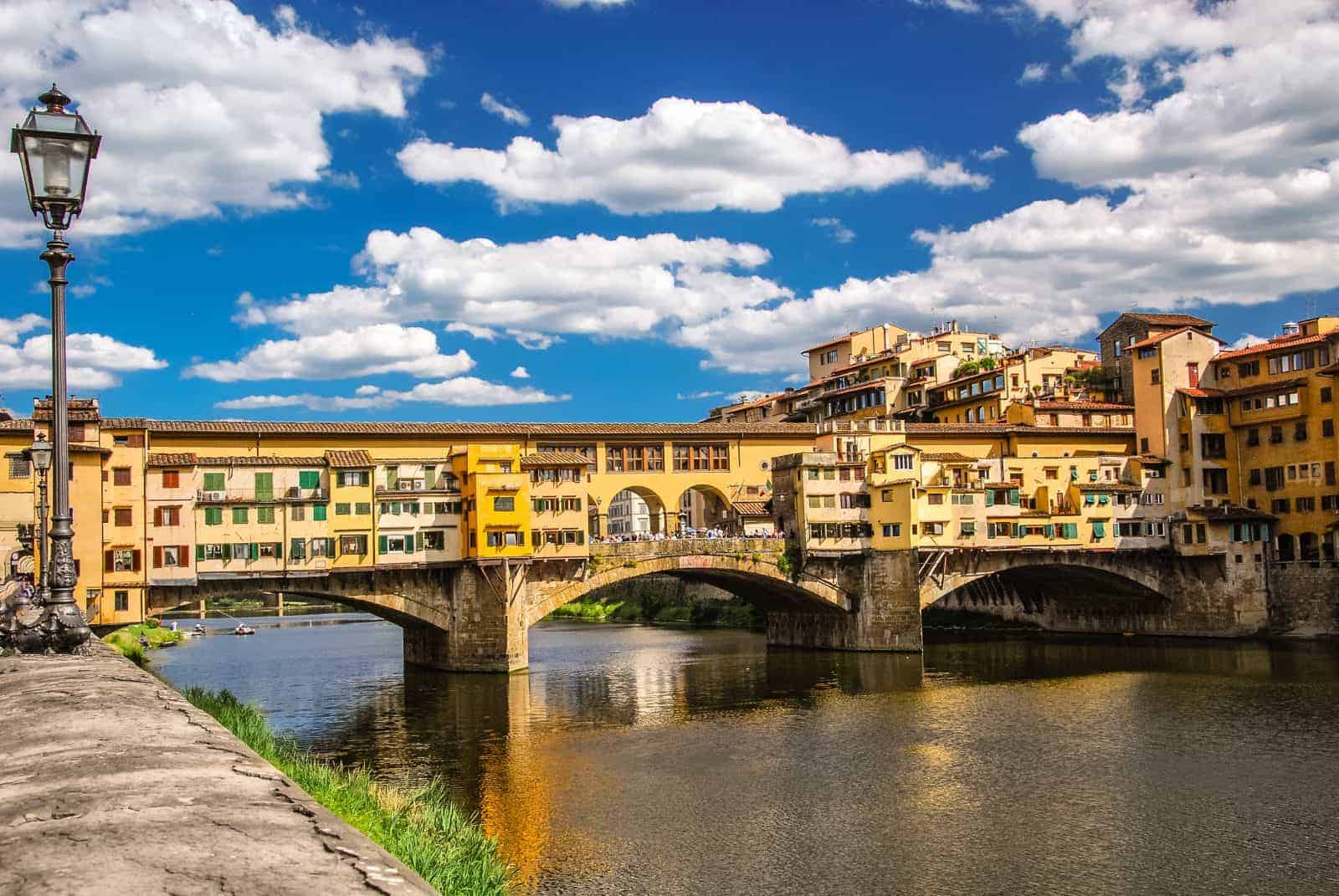
Florence, with its approximately 360.000 inhabitants, is a great starting point thanks to its airport and train station – also for picking up a rental car. You won't need a car in the city itself: the city center is a limited traffic zone (ZTL), so park on the outskirts or at your accommodation. Must-sees include the Duomo (Santa Maria del Fiore), the Uffizi Gallery, the Ponte Vecchio , and the sunset at Piazzale Michelangelo. For the Uffizi Gallery, you should book timed tickets in advance, for example, via GetYourGuide: Tickets for the Uffizi . Those traveling with a campervan or tent can find tips under Camping in Florence.
- Piazza della Signoria and Palazzo Vecchio
- Santa Croce
- Pitti Palace and Boboli Gardens
- Mercato Centrale (Market Hall)
Lucca: City walls and towers
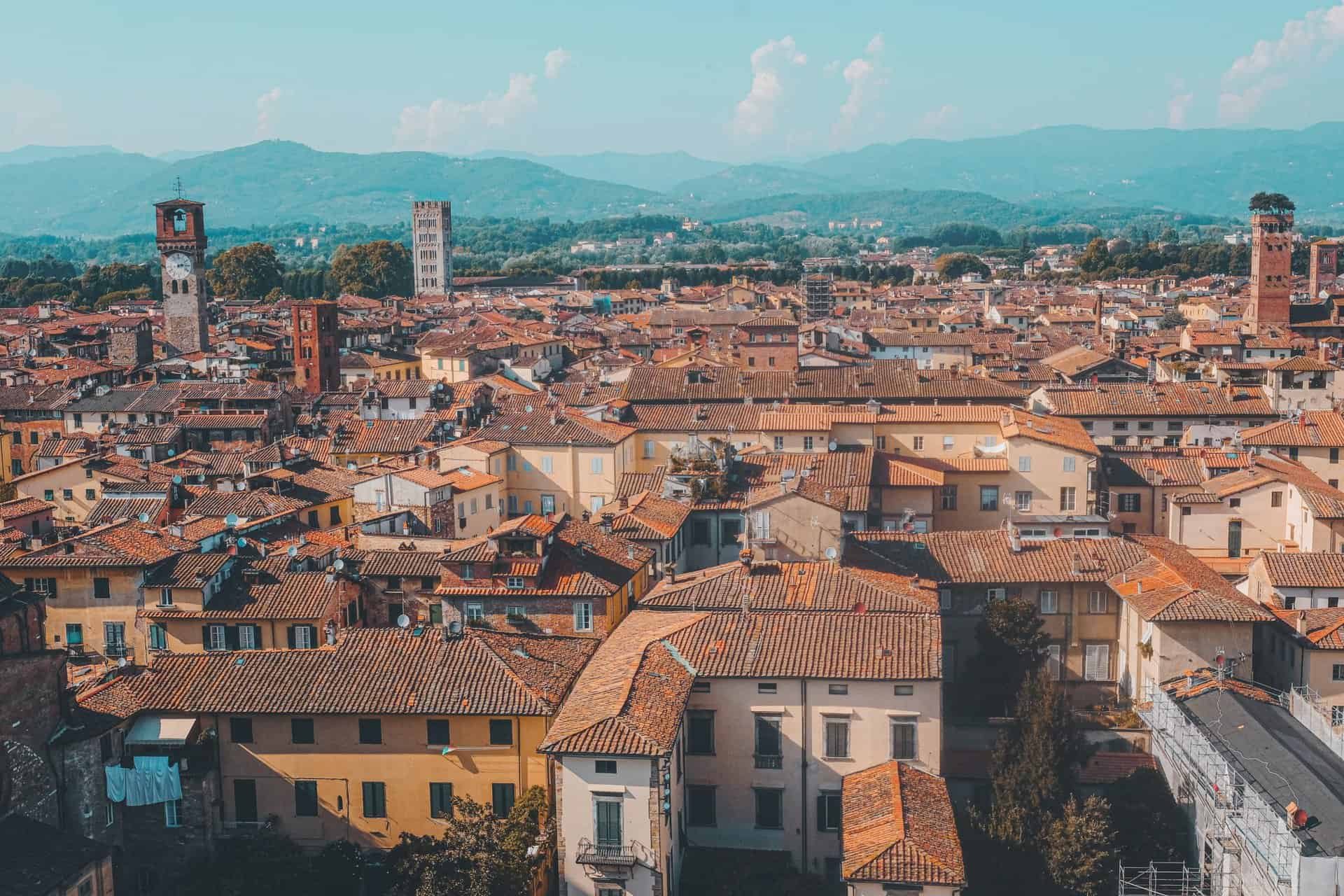
Lucca is surrounded by a well-preserved, 4-km-long Renaissance city wall, which you can explore on foot or by rental bike. Sights worth seeing include the oval Piazza dell'Anfiteatro, built on the remains of the Roman amphitheater, the Guinigi Tower with its rooftop trees, the Church of San Michele in Foro, the Cathedral of San Martino, and the shopping street Via Fillungo. There's a market on Wednesdays and Saturdays . If you'd like to spend a few days by the sea afterward, you'll find the "Ending Your Trip on the Versilia Coast" option further down.
Garfagnana: Mountains, caves and river baths
North of Lucca, the wooded Garfagnana region begins, nestled between the Apuan Alps and the Apennines – a welcome contrast to the city's art cities. A worthwhile excursion is a hike to the rock arch of Monte Forato (half-day tour, good physical condition required), the Grotta del Vento cave (guided tours available, tickets best booked in advance), and, on hot days, a swim in the Canyon Park on the Torrente Lima near Bagni di Lucca. Along the way lies the medieval Devil's Bridge of Borgo a Mozzano.
Pisa: Be at the Leaning Tower early
The Leaning Tower in the Piazza dei Miracoli is the most famous landmark in Tuscany. Arrive as early in the morning as possible, before the day-trippers arrive. You can only climb the tower with a ticket for a specific time slot, which is often booked days in advance during peak season – for example, via GetYourGuide: Leaning Tower and Cathedral admission . Read more about the city in the article Pisa and the Leaning Tower.
Volterra: Alabaster city on the hill
Volterra sits perched atop a hill between Pisa and Siena, visible from afar. The city is known for its Etruscan past and for alabaster, which is still crafted in workshops here today. Stroll through the narrow streets, across the Piazza dei Priori, and to the Roman theater. There's a weekly market on Saturdays.

Photo by Engjell Gjepali on Unsplash
Bolgheri and the sea
Via the approximately 5 km long cypress-lined avenue, Viale dei Cipressi, you reach the small village of Bolgheri – the center of a renowned wine-growing region with numerous wineries. The sea is nearby: spend a day or two swimming, for example, on the Tuscan beaches around Marina di Bibbona and San Vincenzo . More about the wines: Tuscan wine.
Siena: Piazza del Campo and Torre del Mangia
Siena 's old town is a UNESCO World Heritage Site. The heart of the city is the shell-shaped Piazza del Campo with the Palazzo Pubblico. Around 400 steps lead to the Torre del Mangia, offering panoramic views over the rooftops. Also a must-see: the cathedral with its marble floor. For the return trip to Florence, the Chiantigiana (SR 222) through the Chianti region is recommended – with stops in Castellina, Greve, and Panzano. Wine tastings and guided tours can be found at GetYourGuide: Tours in the Chianti region.
Alternative: Ending on the Versilia coast
Those wishing to end their tour by the sea should travel from Lucca to Versilia. A detour to the Carrara marble quarries is worthwhile along the way . Everyone will find their perfect spot on the long sandy beaches of Forte dei Marmi, Lido di Camaiore, and Viareggio – a great way to end a trip, especially with children. We describe this route in detail in our Carrara–Pisa coastal tour.
Practical tips for your road trip
ZTL: the biggest fine trap
Almost all historic centers – Florence, Siena, Lucca, Pisa, Volterra, and many smaller towns – are "Zona a Traffico Limitato" (ZTL). Entry is monitored by camera; those who enter without a permit often receive the fine by mail months later, and multiple times if they enter the zone. Look for the sign with a red circle and the additions "ZTL" and "Varco attivo" (active traffic sign), don't rely blindly on your GPS, and park outside the zone. If your hotel is located within the ZTL, ask beforehand if they will register your license plate.
Tolls, refueling and mobile communications
- toll: Italy does not have a vignette system; on motorways, you pay a distance-based toll. The Tuscan expressways, such as those between Florence and Siena or Florence, Pisa, and Livorno, are toll-free. All travel costs are included. Tolls in 2026 for Austria, Switzerland and Italy.
- Telephone and emergency call: EU roaming at domestic rates, emergency number 112. More information at Calling in Italy.
- By motorhome: German gas cylinders are not exchanged in Italy – solutions available at Camping gas in ItalyParking spaces can be found at Motorhome pitches in Tuscany.
Accommodation along the route
For a two-night stay in one location, a central location with parking outside the ZTL (Limited Traffic Zone) is recommended. Compare hotels and vacation rentals, for example, on Booking.com: Accommodation in Lucca or Booking.com: Accommodation in Siena . An alternative route with additional destinations can be found in our Tuscany tour.
Frequently asked questions about the road trip through Tuscany
How many days does it take for a road trip through Tuscany?
For the Florence – Lucca – Pisa – Volterra – Bolgheri – Siena – Chianti loop, you should plan at least 7, preferably 10 days. This allows time for two nights in the major cities and a day at the beach.
How long is the route?
Approximately 500 km (rounded). The actual driving time is about 8 to 9 hours, spread over short stages of mostly one to two hours.
What is a ZTL and how can I avoid fines?
A ZTL is a camera-monitored zone with restricted access, usually located in historic city centers. Do not enter if the sign reads "Varco attivo" (active traffic) and park outside. If your hotel is located within the ZTL, register your license plate in advance.
Do you need a vignette in Italy?
No. In Italy, you pay motorway tolls based on distance. You only need vignettes for the transit countries of Austria and Switzerland.
When is the best time for a Tuscany road trip?
May, June, September and October: pleasant temperatures, less traffic and crowds than in the height of summer. August is when the coast and cities are at their busiest.