
Holidays in Tuscany: Your ultimate guide to the most beautiful region of Italy
Content
Tuscany combines art cities like Florence, Siena, and Pisa with vineyards, thermal springs, nearly 400 kilometers of coastline, and the islands of the Tuscan Archipelago. This guide gives you a concise overview of the places worth visiting, the best time to travel, how to get there, and which accommodation suits you best – with links to our detailed information pages.
Tuscany holiday at a glance
- Highlights: Florence, Siena, Pisa, Lucca, San Gimignano, Val d'Orcia, Chianti, Elba Island
- Best travel time: May/June and September/October; July/August especially for beach holidays
- Duration: at least 7 days, better 10–14 days
- Arrival: by car via Brenner Pass or Switzerland, by plane to Pisa or Florence, by night train to Florence
- Important: Old towns are almost everywhere ZTL zones – entry only with permission, otherwise a fine will be imposed.
The most beautiful cities and places in Tuscany
The region is slightly larger than the German state of Hesse, so the distances between the major art cities are short. Eight sites in Tuscany are (some jointly with other countries) on the UNESCO World Heritage List – an overview can be found on our page " Sights in Tuscany".
| Location | Known for | Do not miss |
|---|---|---|
| Florence | Cradle of the Renaissance, Old Town UNESCO World Heritage Site | Cathedral with Brunelleschi's dome, Uffizi Gallery Old Bridge |
| Siena | Medieval Old Town, Palio | Piazza del Campo and Cathedral |
| Pisa | Leaning Tower, University City | Piazza dei Miracoli with cathedral and baptistery |
| Lucca | Completely preserved city wall | Cycling or walking on the wall |
| San Gimignano | Medieval family towers | View from Torre Grossa, ice cream at Piazza della Cisterna |
| Pienza | Renaissance ideal town in the Val d'Orcia | Piazza Pio II and Pecorino |
Florence: Art at every turn
Florence is the capital of Tuscany, and its historic center has been a UNESCO World Heritage Site since 1982. Must-see attractions include the Duomo (Santa Maria del Fiore) with Brunelleschi's dome, the Uffizi Gallery with works by Botticelli, Leonardo da Vinci, and Michelangelo, and the Ponte Vecchio. For the Uffizi and the Duomo dome, you should book timed tickets in advance. Plan at least two full days – the best way to explore the city center is on foot.
Siena: Gothic and Palio
Siena besticht durch seine mittelalterliche Altstadt rund um die muschelförmige Piazza del Campo. Am 2. Juli und am 16. August findet hier der Palio statt, das berühmte Pferderennen der Stadtviertel – an diesen Tagen ist die Stadt extrem voll. Abends, wenn die Tagesbesucher weg sind, zeigt sich Siena von seiner ruhigsten Seite. Mehr in unserer Übersicht der Sehenswürdigkeiten von Siena.
Pisa and Lucca: two cities, one day
Pisa and Lucca are only about 20 kilometers apart and can be easily combined: in the morning the Piazza dei Miracoli with the Leaning Tower , in the afternoon a walk or a bike tour on Lucca's accessible city walls.
Val d'Orcia and Chianti: the postcard Tuscany
Cypress-lined avenues, rolling hills, and stone houses are found primarily in the Val d'Orcia around Pienza, Montalcino, and Montepulciano , as well as in the Chianti region between Florence and Siena. A car is recommended here, as buses are infrequent in the countryside.
Sea, beaches and islands
The mainland coast of Tuscany is almost 400 kilometers long. Depending on the section, you can expect very different beaches – our overview of Tuscan beaches will help you choose.
- Versilia (Viareggio, Forte dei Marmi): wide sandy beaches with many beach resorts (Bagni), good infrastructure.
- Etruscan Coast (south of Livorno (to Piombino): Pine forests leading to the beach, many free beaches (Spiaggia libera).
- Maremma: unspoiled coastline with the Maremma Nature Park – more about the sandy beaches of the Maremma.
- Tuscan ArchipelagoThe ferry from Piombino to Portoferraio on Elba It takes about an hour; you can reach Giglio from Porto Santo Stefano.
Food, wine and thermal baths
Tuscan cuisine
Tuscan cuisine is simple and product-focused: good olive oil , legumes, vegetables, and unsalted bread. Typical dishes include ribollita (a vegetable and bread stew), pappa al pomodoro, panzanella, and bistecca alla fiorentina, a thick T-bone steak traditionally from Chianina cattle and briefly grilled over charcoal. Learn more on our page Food and Drink in Tuscany.
Wine list
The most famous wines are Chianti Classico with its black rooster (Gallo Nero), Brunello di Montalcino, and Vino Nobile di Montepulciano. Many wineries offer tastings, usually by appointment. You can find an overview of the wine-growing regions under Tuscany Wine.
Thermal springs
Some hot springs are freely accessible: the Cascate del Mulino near Saturnia (around 37°C) in the municipality of Manciano, the Bagni San Filippo on Monte Amiata with its white travertine formation "Balena Bianca," and the Petriolo springs. Bathing in the historic village pool in Bagno Vignoni is prohibited. See our page Thermal Baths of Tuscany for full details.
Best time to travel
- Spring (April to June): Green landscapes, pleasant temperatures – ideal for cities, hiking and cycling. The sea is still cool.
- Sommer (Juli und August): beste Zeit für Badeurlaub. Im Landesinneren und in Florenz wird es oft sehr heiß; rund um Ferragosto (15. August) sind Strände und Unterkünfte voll und teuer.
- Autumn (September and October): Grape and olive harvests; often still warm enough for swimming in September. Tips for this time of year: Tuscany in autumn.
- Winter (November to March): Quiet, many beach businesses and campsites closed, but less crowded in the museums.
Climate data and monthly overview: Best time to travel to Tuscany.
Arrival and on-site activities
By car
It's about 650 kilometers from Munich to Florence; from southern Germany, depending on traffic, it takes about 7 to 9 hours via the Brenner Pass or through Switzerland. Austria and Switzerland require a vignette, while in Italy you pay distance-based motorway tolls. Routes and costs: Travel routes to Tuscany and tolls 2026.
Most historic centers are ZTL zones (Zona a Traffico Limitato): entry is only permitted with a permit, and cameras record every license plate. Park outside the historic center. You can find the most important traffic rules under Italian Highway Code.
By plane or train
The main airports are Pisa (Galileo Galilei) – good for the coast and the west – and Florence (Amerigo Vespucci). From Pisa Airport, the Pisa Mover bus runs to the main train station; from Florence Airport, a tram connects to the city center. There are regular regional trains between Florence, Pisa, Lucca, and Siena; you'll need a rental car for exploring the countryside.
Plan a tour
Our road trip through Tuscany shows a tried and tested route with stages and driving times.
Accommodation: Agriturismo, holiday home, hotel or camping
- Farmhouse: Holiday rooms or apartments on a working farm, often with a pool and farm-fresh produce. Ideal for peace and quiet and nature, but a car is essential.
- Holiday home or villa: Good for families and groups; many houses are rented out by the week from Saturday to Saturday.
- Hotel: Ideal for city breaks and short stays. We'll explain which region suits you best below. Hotels in Tuscany.
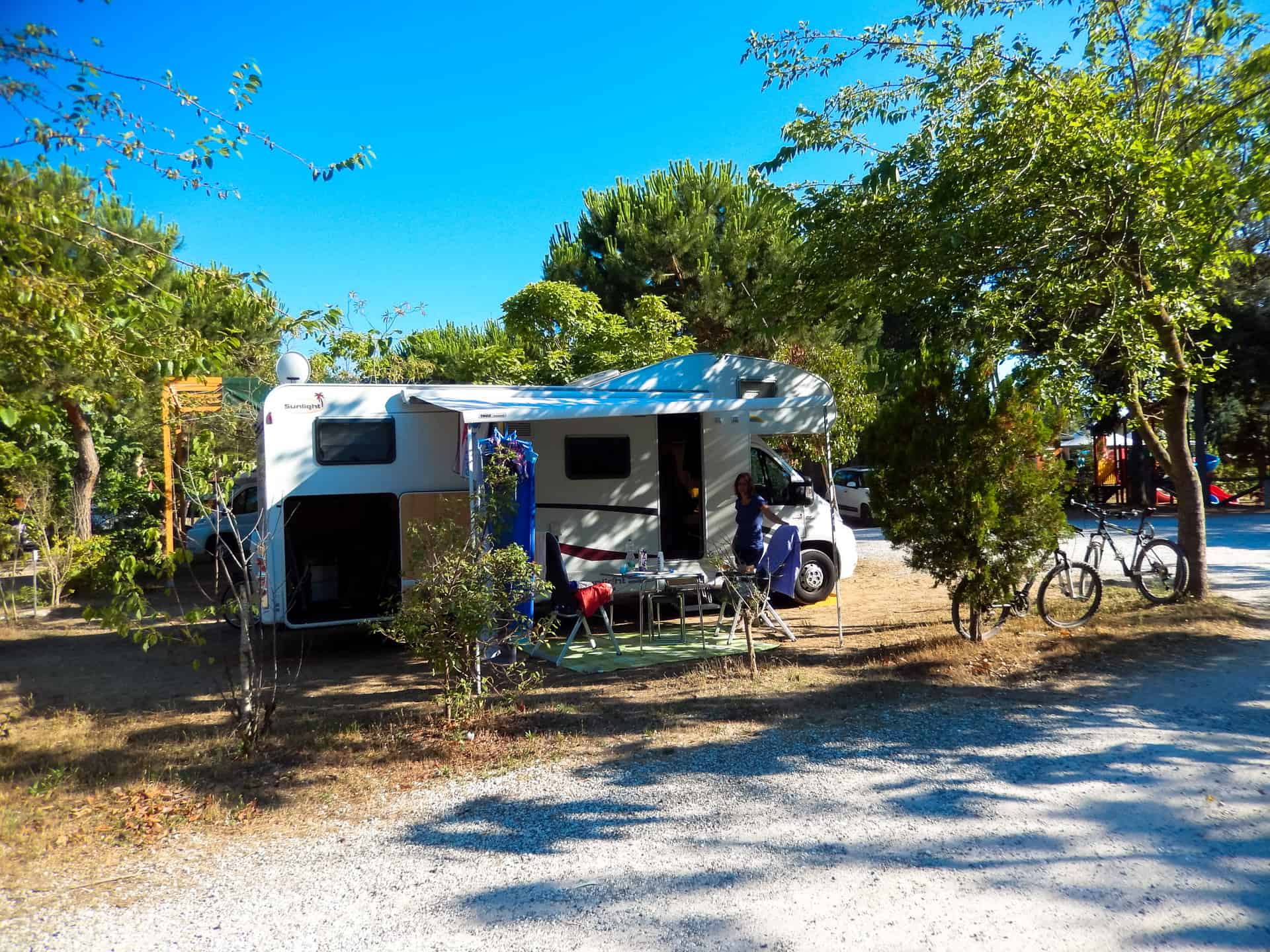
- Camping and motorhomes: especially on the coast under pine trees. Everything important in the Camping Guide Tuscany and at the Motorhome pitches.
You can compare accommodations throughout the region, for example at Booking.com (Tuscany).
Find accommodation in Tuscany
Tours and tickets
For the major museums, advance booking is recommended, for example for tickets and guided tours at the Uffizi Gallery . Those interested in culinary delights will find cooking classes in Tuscany as well as wine tastings around San Gimignano.
Ideas based on interests
For those seeking more than just cities and beaches, we offer dedicated pages on topics such as golf , horseback riding holidays , cycling in Tuscany , motorcycling , scenic flights , and wellness and relaxation . Photographers will find tips for a photo tour through Tuscany , and art lovers can explore the Chianti Sculpture Park.
Short on time? Then our tips for a short trip to Tuscany and a last-minute holiday will help. A side trip from Tuscany to Rome is also worthwhile . If you'd like to get married in Tuscany, read our article on weddings in Tuscany . Those who want to stay longer will find helpful information in our guide for expats and on learning Italian . And if you'd like to take a piece of Tuscany home with you, create a garden in the Tuscan style.
Frequently asked questions about holidays in Tuscany
How many days should I plan for Tuscany?
For a first impression of Florence, Siena, Pisa, and some countryside, you should plan at least 7 days. With 10 to 14 days, there's time for the Val d'Orcia, the Chianti region, and a few days at the beach.
When is the best time to travel to Tuscany?
For city breaks, hiking, and scenic views, May, June, September, and October are ideal. July and August are best for a pure beach holiday, but it's hot and crowded then.
Do I need a car in Tuscany?
For city trips between Florence, Pisa, Lucca, and Siena, the train is sufficient. For wineries, thermal springs, and small villages, a car is almost essential, as buses are infrequent in rural areas. Be aware of the ZTL zones in historic city centers.
Is there a motorway vignette in Italy?
No. In Italy, you pay tolls based on distance traveled at toll booths. However, you need a vignette to travel through Austria or Switzerland.
Is it possible to bathe in thermal springs for free in Tuscany?
Yes, for example at the Cascate del Mulino near Saturnia, in Bagni San Filippo and in Petriolo. However, swimming in the historic pool in Bagno Vignoni is prohibited.
Are dogs welcome in Tuscany?
Many agriturismos, holiday homes, and campsites welcome dogs, and there are designated dog beaches along the coast. Inquire when booking and be sure to observe the local beach regulations.